
Overview


254

212

1993

2017

SCDDDD
Itinerary
Start your exploration of Dublin with a visit to Trinity College, home to the ancient Book of Kells. A stroll through the cobbled streets of Temple Bar reveals an array of lively pubs, quirky shops, and the fascinating Irish Film Institute.
History enthusiasts will appreciate the solemn beauty of Dublin Castle and the poignant exhibits at Kilmainham Gaol. For a taste of local flavor, visit the Guinness Storehouse to learn about Ireland's famous stout. End your day with a leisurely walk along the River Liffey, enjoying views of the Ha'penny Bridge and the city's charming Georgian architecture.
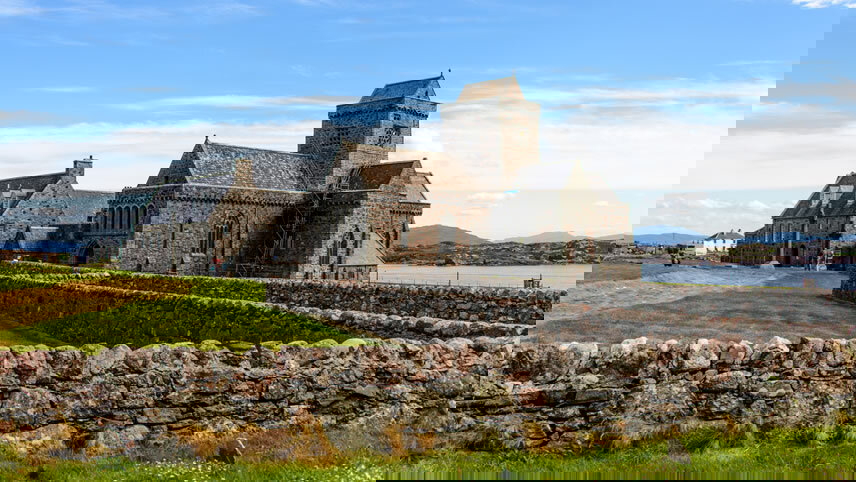
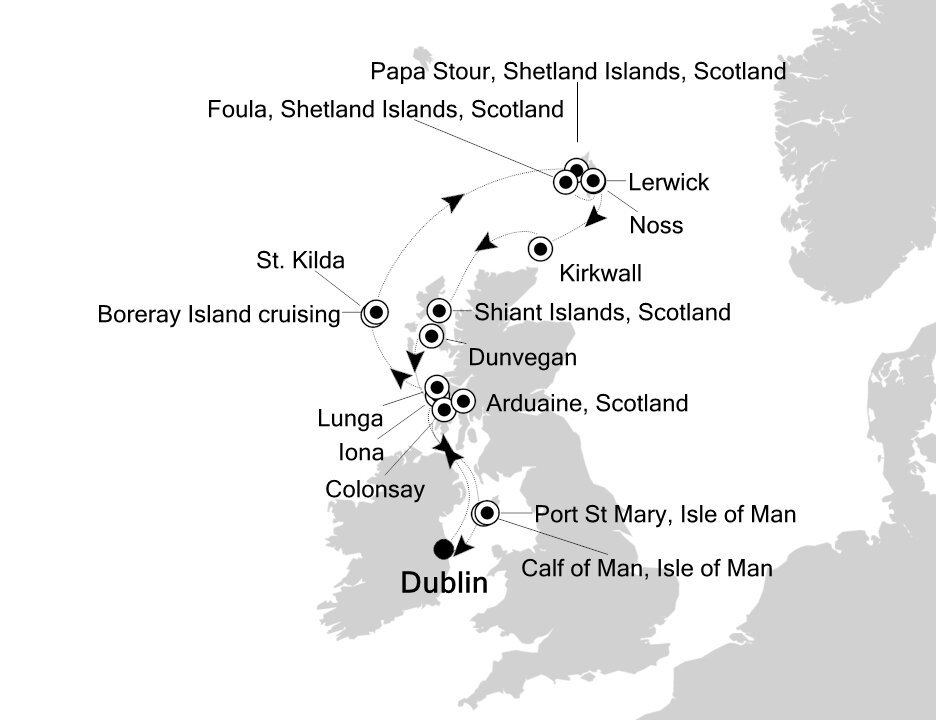
Known as the 'cradle of Christianity', Iona has an atmosphere of peace and tranquillity, enhanced by green fields and sandy beaches fringed with intense blue-green seas that look more Mediterranean than Scottish.
The island's main attraction is its medieval abbey, established by Saint Columba when he arrived from Ireland in 563. The abbey is a fine example of ecclesiastical architecture dating from the Middle Ages and it also serves as an important site of spiritual pilgrimage. Many kings of Scotland, including the legendary Macbeth, are buried in the nearby cemetery.
The stunning Isle of Lunga is the largest island in the Treshnish archipelago. With volcanic origin the isle was populated until the 19th Century, and remains of black houses can be seen around this magnificent coastal jewel. Abundant plant life and exotic birdlife are now the main inhabitants of the area. Fortunate visitors view the magnificent array of birds, especially the great puffins that breed on the islands plateau. One can sit within just a few feet away without disturbing the avian ambassador’s peace. The 81 hectare island is home to many rare and endangered plants such as, primroses and orchids. Views over the landscape and across the ocean can be seen from the 300 foot high cliffs.
Gloriously remote, the archipelago of St. Kilda towers out of the storm tossed waters of the Atlantic Ocean. The islands are the UK's only dual UNESCO World Heritage Site. They have some of the highest cliffs in Europe, which have large colonies of rare and endangered species of birds, especially puffins and gannets.
Uninhabited since 1930, the islands bear the evidence of more than 2,000 years of human occupation in the extreme conditions prevalent to the area. Human vestiges include built structures and field systems, the cleits and the traditional Highland stone houses.
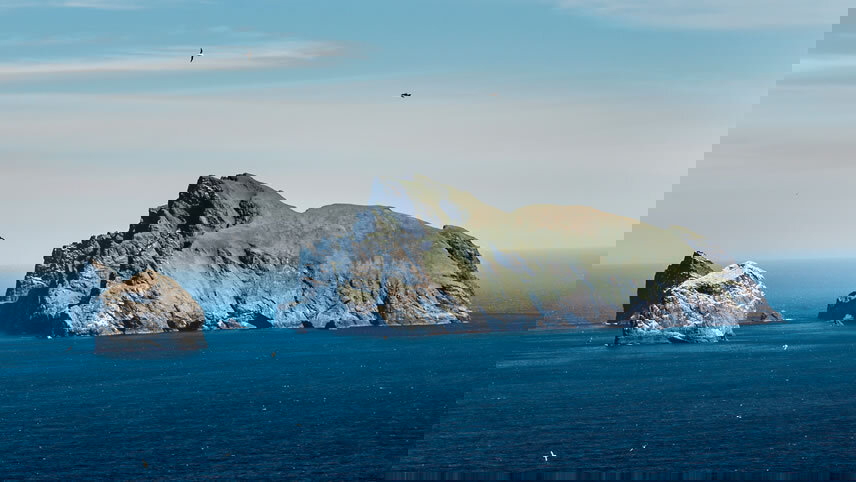
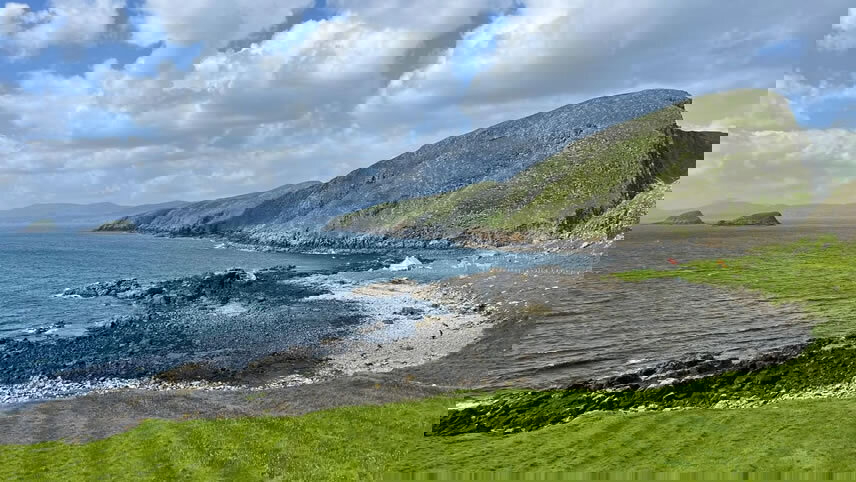
Boreray Island, part of Scotland's remote St Kilda archipelago, stands as a sentinel in the Atlantic, its sheer cliffs rising dramatically from the sea.
This uninhabited island, known for its rugged landscapes and significant bird populations, is a sanctuary for myriad seabird species, including the northern gannet and puffins, which nest on its steep cliffs.
Boreray's archaeological importance is highlighted by ancient stone structures and cleitean, small stone storage huts used by St Kilda's former inhabitants.
Journey back in time and encounter the overwhelming power of the natural elements as you cruise by one of the most isolated parts of the British Isles.
A spectacular coastline greets visitors to Papa Stour. The island has layers of ancient volcanic lava and ash; and the softer volcanic rocks have been carved by waves into arches, sea caves, cliffy inlets and rock stacks. These dominate the landscape from both sea and land. The Maiden Stack guards the island’s harbour and is so named because the Viking Lord Thorvald Thoresson marooned his daughter in a small house on the stack to protect her virtue.
One story says she escaped by eloping with a fisherman, whilst another tale states she left the stack pregnant! A handful of resilient people still live on Papa Stour Island. In its heyday in the 19th century, the small island of 828 hectares (2046 acres) supported a thriving fishing industry based on six-oared row boats. Fishing is only a small operation today. Crofting, or small-scale farming has been a traditional activity and is still conducted with sheep as hardy as the crofters who tend them. Marine wildlife thrives around Papa Stour. Cliffs, rock stacks and hills support many breeding seabirds in spring and summer.
The most travelled bird of all—the Arctic Tern—breeds here. In winter, these plucky small seabirds migrate all the way to the Antarctic. Occasionally European Otters are sighted amongst the kelp. Common and Grey Seals give birth to their pups onshore in summer. Common Seals rest on rocks with their tails and noses up, resembling bananas in shape. Grey Seals are larger, with a long nose, and no fruit copying tendencies.
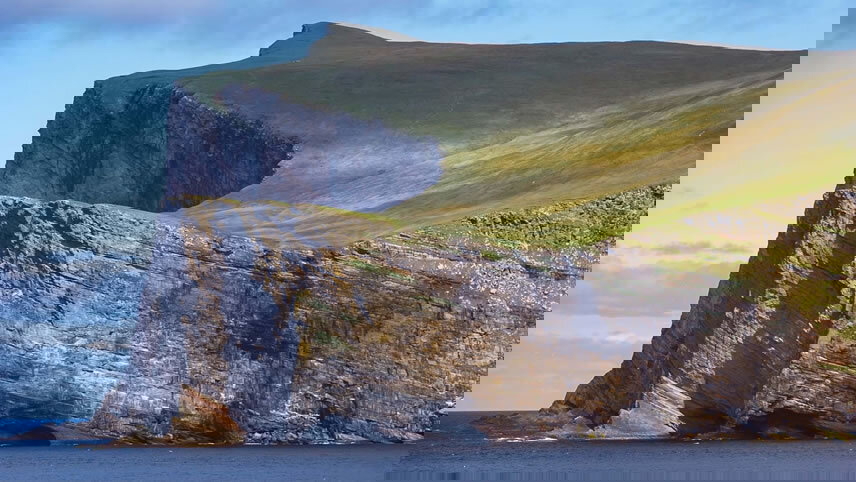
Foula, part of the remote Shetland Islands, stands out for its dramatic cliffs and rugged, untouched landscapes. This small island, one of the UK’s most isolated inhabited locations, is a haven for birdwatchers, housing a significant population of seabirds, including puffins and great skuas. The island's striking geology and steep bird cliffs are captivating, offering panoramic views across the North Atlantic.
Despite its remote location, Foula retains a strong sense of community, with traditions that reach back to Norse times. Explore the island’s five peaks and enjoy the solitude of its vast, open spaces. For those interested in more than just nature, the local history and folklore provide a deep dive into the island’s cultural heritage.
Lerwick, the capital of the Shetland Island Archipelago, offers stone age ruins, heather-covered moors and rugged Scottish highlands. With its dramatic cliffs, Grand Victorian houses, charming Shetland ponies, and Nordic heritage Lerwick allows for hours of entertainment. Smaller ships will dock at the Port of Lerwick, while larger ships will anchor offshore.
Top Things to Do in Lerwick:
- explore the ruins of Scalloway Castle
- hike on Mousa Island
- visit the Shetland Museum
- admire Fort Charlotte
Kirkwall is the capital of the Orkney Islands, it is considered one of the most charming and well preserved small towns in Scotland. The islands offer dramatic landscapes with cliffs rearing 1,000 feet above the waves to sweeping white sand beaches. Small ships will dock at this port, while larger ships will anchor offshore.
Top Things to Do in Kirkwall:
- explore Skara Brae, a Neolithic village
- admire the St. Magnus Cathedral
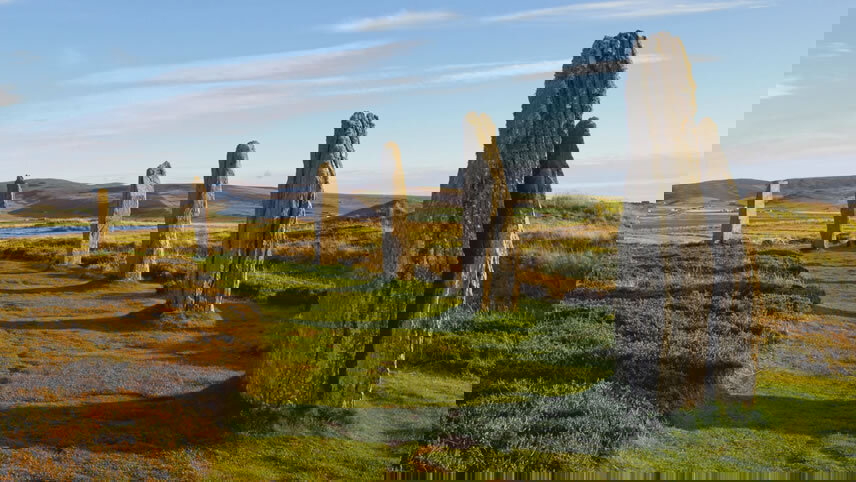
- visit the Ring of Brodgar
- ponder the Standing Stones of Stenness
- stroll the Viking Capital Walking Trail
The Shiant Islands of Scotland, located in the Minch between the Isle of Lewis and the mainland, are a secluded cluster of rugged isles famed for their dramatic cliffs and abundant birdlife. This uninhabited archipelago is an important breeding ground for seabirds, including puffins, razorbills, and guillemots, making it a paradise for birdwatchers and nature enthusiasts.
Visitors are greeted by the raw beauty of steep rock faces and grassy slopes, with the islands' geology providing a fascinating insight into volcanic activity from millions of years ago. Accessible only by boat, the Shiant Islands offer a serene escape into the wild, untouched nature of Scotland's coastal wonders.
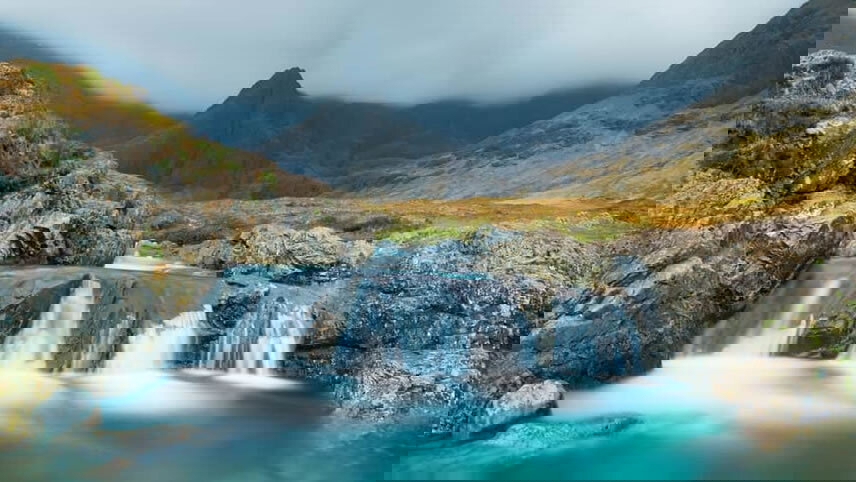
Your exploration of the Isle of Skye should start off with a visit to the Old Man of Storr, an iconic rock formation offering stunning views of the surrounding landscape. The Fairy Pools are a series of crystal-clear blue and green pools and waterfalls, the perfect location for a leisurely hike. For a taste of local culture, visit the Dunvegan Castle, the oldest continuously inhabited castle in Scotland, where you can learn about the Clan MacLeod.
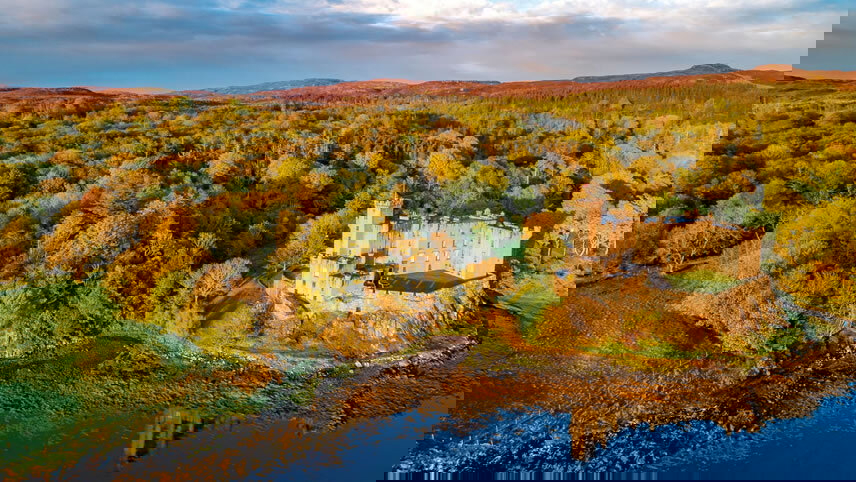
Dunvegan is a village steeped in history and natural beauty. It's renowned for the Dunvegan Castle, the ancestral home of the Clan MacLeod, which has stood for over 800 years. This historic castle is surrounded by lush gardens, offering a glimpse into Scotland's past and the endurance of its heritage.
The nearby Coral Beaches, with their striking white sands made from crushed coral-like seaweed, offer a unique coastal experience distinct from the typical rugged Isle of Skye landscape.
From the enchanting Fairy Pools to the majestic Cuillin mountains, Dunvegan provides a rich tapestry of natural splendour and Scottish history, making it a captivating destination for those exploring the Isle of Skye.
Arduaine, a small village on the west coast of Scotland, is renowned for its tranquil beauty and the famous Arduaine Garden.
Nestled by the shore of Loch Melfort, Arduaine Garden is a botanical marvel, flourishing with a diverse array of plants from around the world, thanks to the warm currents of the Gulf Stream. Established in 1898, the gardens extend over 20 acres, where visitors can wander through lush woodlands, ornamental ponds, and vibrant flower beds.
The village itself, with its coastal charm and the backdrop of Scottish highlands, provides a peaceful setting for visitors to explore.
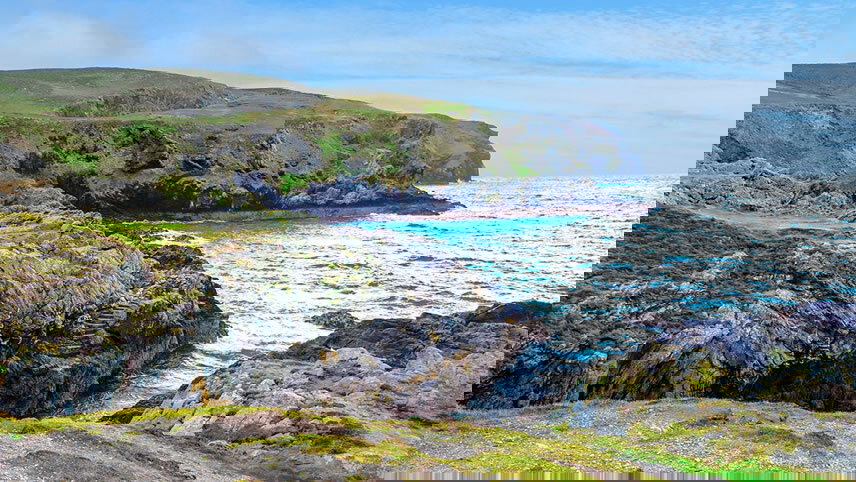
There is no calf on the Calf of Man. The name of this small island adjacent to the Isle of Man has nothing to do with cows. It is a mispronunciation of the Old Norse word kalfr, meaning a small island near a larger one. The Isle of Calf is only 250 hectares (618 acres) and is separated from its larger neighbour by a narrow stretch of water. Four lighthouses were built on the island and nearby rocks to warn seafarers. Ships hate rocks but Grey Seals love them for resting upon or swimming amongst. While there are no calves, there are a few sheep of the Manx Loaghtan variety, descendants of primitive sheep once found throughout Scotland and nearby islands.
Manx means ‘pertaining to the Isle of Man’. Once a private sheep run, the island was donated as a bird sanctuary and is now owned by the Manx National Heritage. Wardens live in the island’s old farmhouse over summer to protect the wildlife, research birds, tend the sheep and look out for introduced Brown Rats. The rats arrived after fleeing a sinking ship in 1871 and became effective killers of seabird chicks. Seabird numbers have surged following a recent rat eradication program. Manx Shearwaters breed from about March to August. They are named after their presence at the islands and seas surrounding the Isle of Man. The birds only visit their island nesting burrows at night and so are easier to spot from the deck of a ship. They glide ever so close to the surface of the sea as if they are ‘shearing’ the water. A sheer delight to watch.
The Isle of Man, nestled in the Irish Sea, is a treasure trove of natural beauty, history, and folklore. This island captivates with its rugged coastline, medieval castles, and quaint villages. Although famed for the TT motorcycle race, there’s much more to explore here, from the ancient Celtic and Viking heritage at sites like Peel Castle to the tranquil beauty of the Manx countryside.
The island's extensive network of heritage railways provides a unique perspective on its scenic landscapes, while the Manx Museum in Douglas offers insights into the island's 10,000-year history. With its commitment to preserving its natural and historical sites, the Isle of Man offers a blend of adventure and tranquility that will charm and delight.
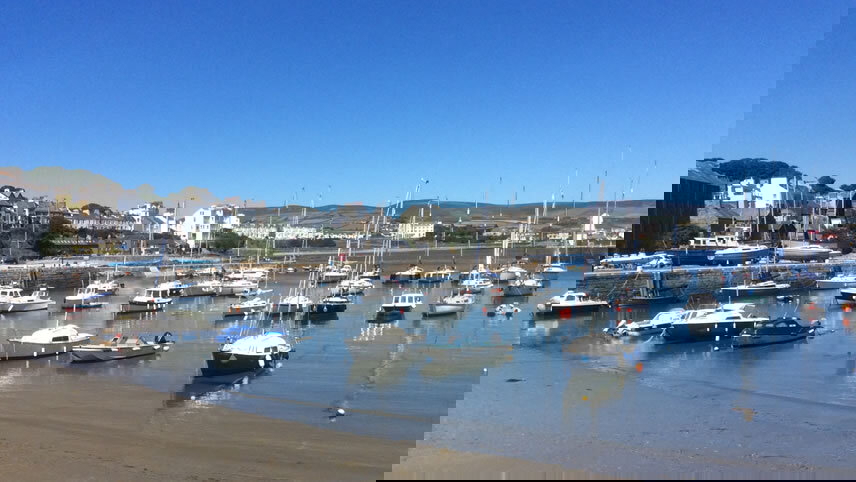
Port St Mary is a picturesque harbour village. Ships anchor offshore, requiring a tender to reach the port. The village is a short, leisurely walk from the tender drop-off point, and exudes charm right away. With no dedicated cruise terminal, the experience feels uniquely intimate and local. The historic Castle Rushen in Castletown is only approximately 10km (6 miles) away, while the Laxey Wheel, the world's largest working waterwheel, presents a marvel of Victorian engineering.
Start your exploration of Dublin with a visit to Trinity College, home to the ancient Book of Kells. A stroll through the cobbled streets of Temple Bar reveals an array of lively pubs, quirky shops, and the fascinating Irish Film Institute.
History enthusiasts will appreciate the solemn beauty of Dublin Castle and the poignant exhibits at Kilmainham Gaol. For a taste of local flavor, visit the Guinness Storehouse to learn about Ireland's famous stout. End your day with a leisurely walk along the River Liffey, enjoying views of the Ha'penny Bridge and the city's charming Georgian architecture.
Life On Board

Enjoy free-flowing premium wines and spirits, delicious gourmet cuisine, in-suite dining, full butler service for every suite and of course all gratuities. Whether you long to mingle in the Mediterranean, swim with the turtles of the Galapagos or embrace the glaciers of Alaska, there is something special about knowing that this cruising is all inclusive.
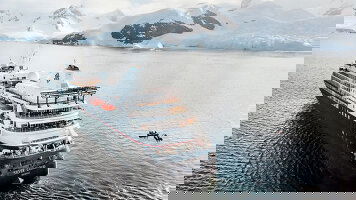
Explore remote corners of the world on an expedition cruise in ultra all suite luxury. Read more
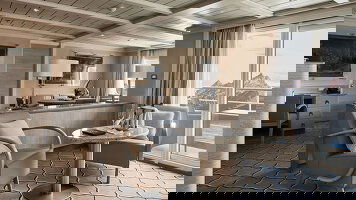
Enjoy all suite accommodation with luxury amenities and impeccable service provided by your own butler. Read more

Even an iPhone user can join expert classes and create professional images in the photo studio. Read more

Even on expedition cruises you will enjoy best in class service from the Silversea crew. Read more
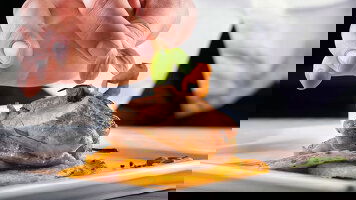
Savour Silversea's exquisite fine dining and impeccable service offered in four signature restaurants on Silver Cloud. Read more
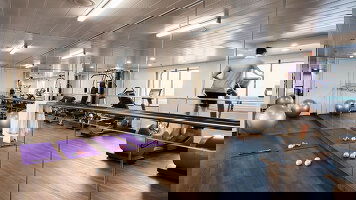
The Fitness Centre has state-of-the-art equipment and offers a range of classes. Read more
Prices & Dates
There are currently no departures available on this cruise. Either it's the end of the season and new departures will be released shortly, or this itinerary has been changed and is not operating this season. Feel free to contact us for information about when next seasons dates will be released or click here to view general release dates for all destinations.
Tour & cruises prices are per person. Prices shown have savings applied, are subject to availability and may be withdrawn at any time without notice. Pricing and trip details are correct at this point in time, however are subject to confirmation at the time of booking and are subject to change by Silversea. For cruise itineraries, cabin images are sourced from the cruise-line and should be treated as indicative only. Cabin inclusions, upholsteries and room layout may differ to the image(s) shown depending on the ship selected and your sailing dates.
Similar Cruises