Overview

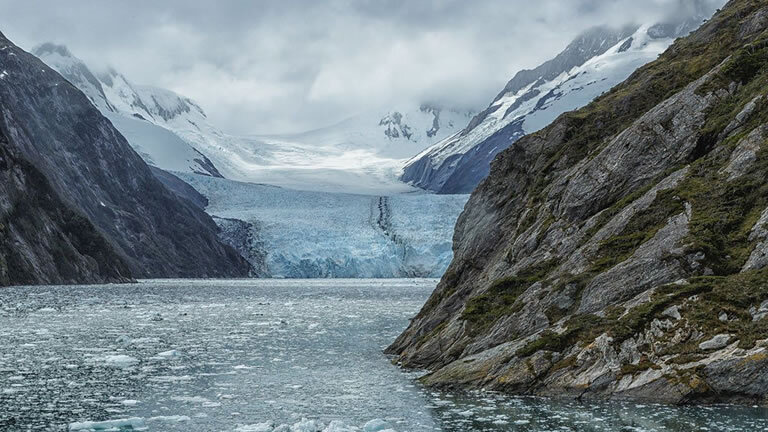
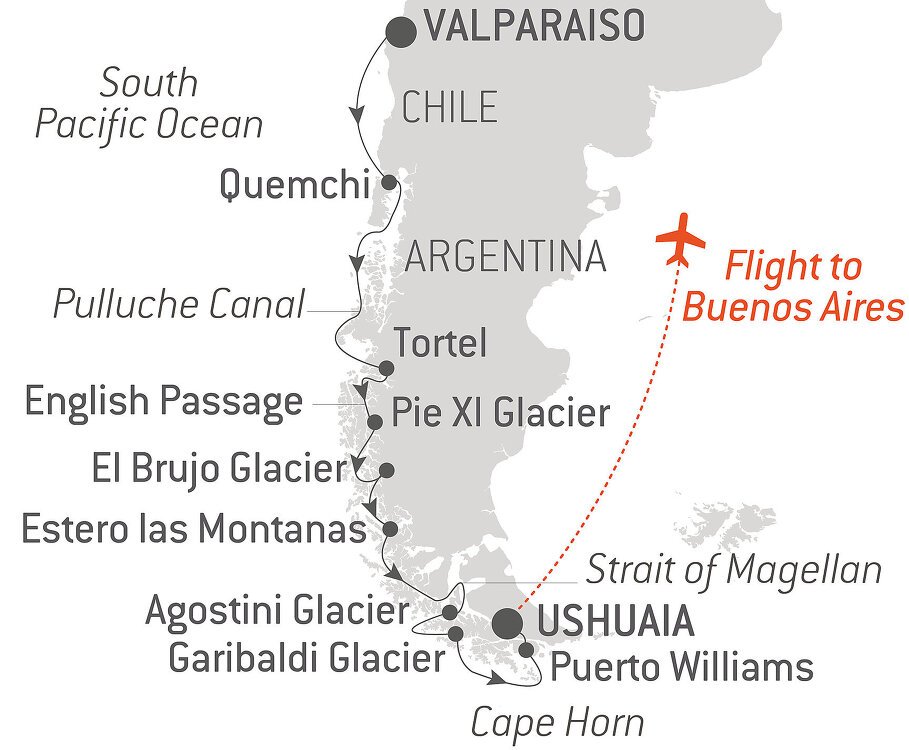
You will enjoy an unforgettable experience of sailing along the Strait of Magellan, then you will glimpse the gigantic Agostini and Garibaldi before rounding Cape Horn, surrounded by the stunning scenery provided by Tierra del Fuego National Park. On Navarino Island, you will make a final call at Puerto Williams, a pleasant fishing port considered by the Chileans to be the world's southernmost city, and finally you will sail to Argentina and Ushuaia, the final destination on your trip. Subject to weather conditions. The expedition highlights, encounters with the wildlife and itinerary described illustrate possible experiences only and cannot be guaranteed.


264

145

2010

2018

VAPUSH14
Itinerary
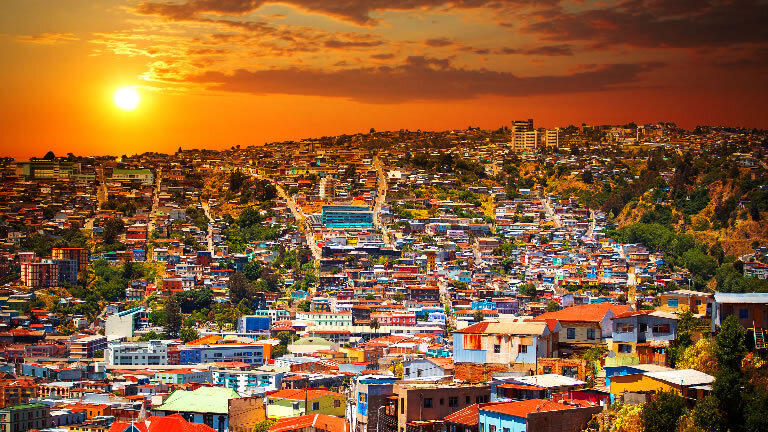
Once the most important merchant port on the Pacific trading routes of South America, Valparaiso is now a UNESCO World Heritage Site. With its bright, colourful buildings, incredible European-inspired architecture, and unique urban hillside design, Valparaiso offers a vibrant artistic culture in a laid-back environment. Ships will dock at the port.
Top Things to Do in Valparaiso:
- sandboard the Dunes of Concón
- explore Cerro Concepcion
- visit the Parque Cultural de Valparaíso
- admire the street art on a walking tour
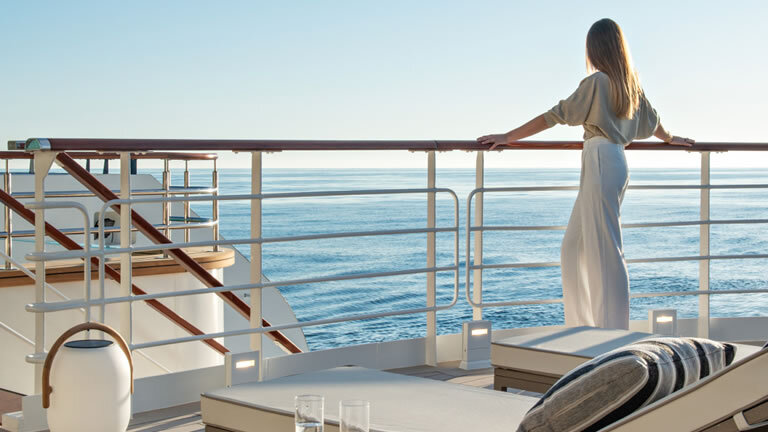
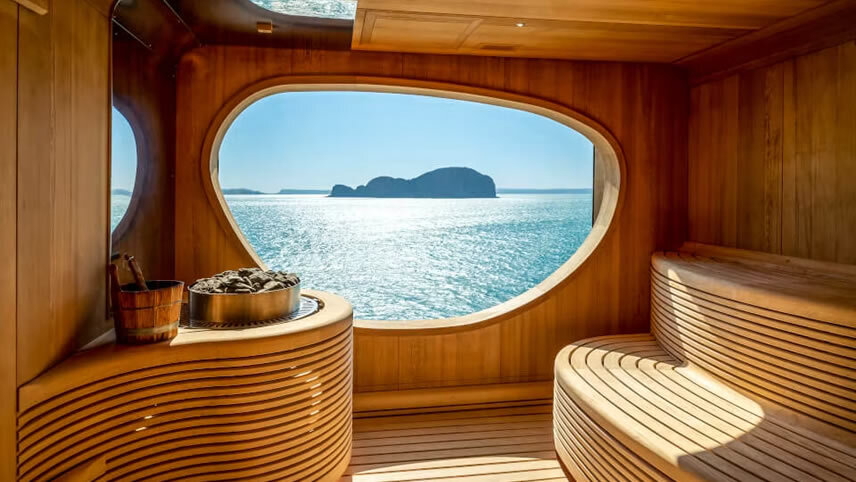
During your journey at sea, make the most of the many services and activities on board. Treat yourself to a moment of relaxation in the spa or stay in shape in the fitness centre. Depending on the season, let yourself be tempted by the swimming pool or a spot of sunbathing.
This journey without a port of call will also be an opportunity to enjoy the conferences or shows proposed on board, depending on the activities offered, or to do some shopping in the boutique or to meet the Ponant photographers in their dedicated space. As for lovers of the open sea, they will be able to visit the ship’s upper deck to admire the spectacle of the waves and perhaps be lucky enough to observe marine species. A truly enchanted interlude, combining comfort, rest and entertainment.
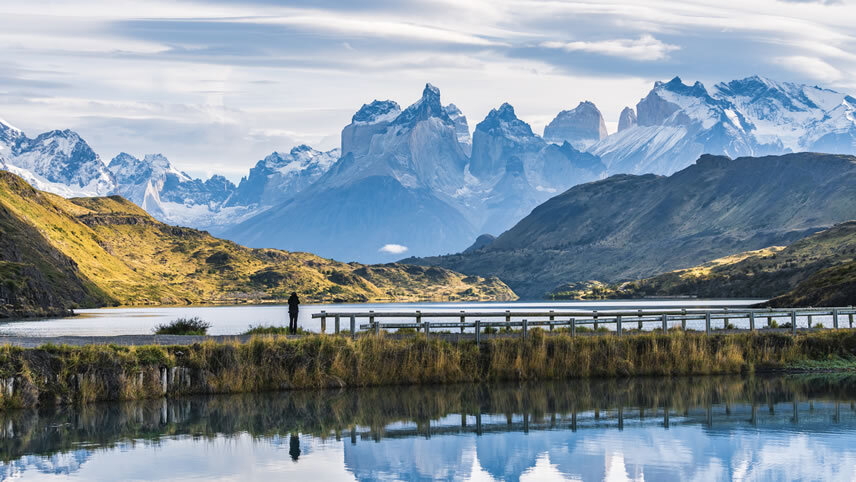
In southern Chile, in the Lake District, discover the small fishing port of Quemchi on the east coast of Chiloé Island. With its authentic charm, its pretty wooden houses, its narrow streets lined with small shops, and its fish market, this faraway village is sure to win you over. Be sure to visit the museum dedicated to Francisco Coloane, the famous Chilean author and adventurer born on this southern land. Not far from there, the small island called Isla Aucar, accessible via a wooden footbridge, will be a chance to observe a wide variety of birds and discover a magnificent botanical garden, home to many of the region’s endemic plants.
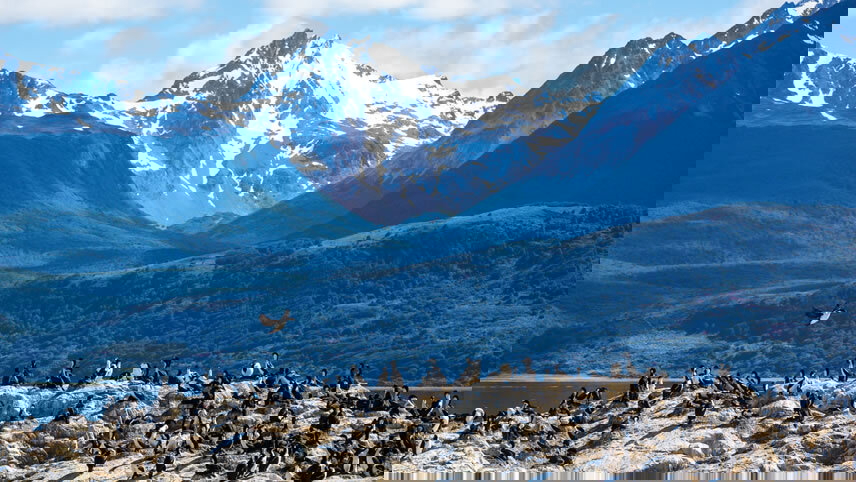
Near the Peñón de Lobos (‘wolf rock’), in Chile, the Pulluche Canal is located northwest of Monte Prieto and the island of Sin Nombre, literally “the island without a name”. This maritime channel in the Aysén du Général Carlos Ibañez del Campo Region, in the south of the country, is 1,400 km south of the capital. You will sail through a very singular landscape made up of islands, canals and fjords. Recognised as a Biosphere Reserve by UNESCO in 1979, the San Rafael Lake brims with rainforests and abundant wildlife: sea birds (Black-browed Albatrosses, cormorants…) and marine mammals (pinnipeds).
Between green hills rising from the water and snow-capped peaks, the English Passage (or English Narrows) is one of the main Patagonian channels. Situated off the south-western coast of Chile, at the end of the Messier Channel, this narrow waterway with a width of just 180 metres offers a unique sailing experience due to its exceptional dimensions and its magnificent natural setting.
Located in Bernardo O'Higgins National Park, Brüggen Glacier, also known as Pío X Glacier, is the largest glacier in South America and is the only glacier in the world that is continuing to grow. Pío X Glacier currently has a surface area of 786 square miles - as large as Santiago!
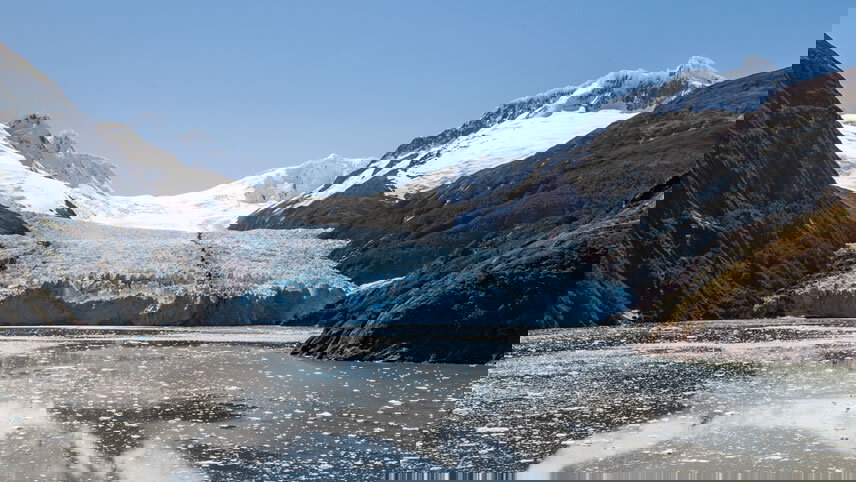
In the heart of the Southern Patagonian Ice Field, where the National Parks of Bernardo O’Higgins, Torres del Paine and Las Glaciares meet, discover the Skua Glacier, also known as the Amalia Glacier. Nested on the Andes, this three-kilometre-wide tidewater glacier will offer you sumptuous landscapes in infinite shades of blue: a magical show during which the impressive cracking of the ice can be heard at times.
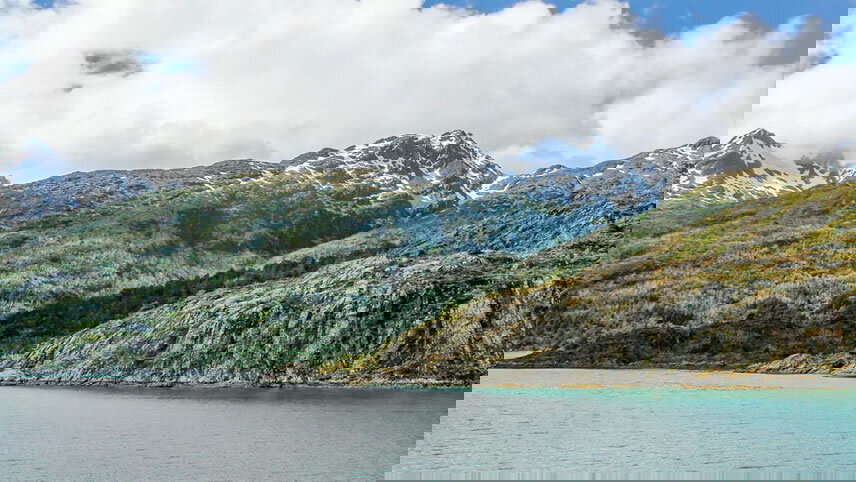
Montañas Fjord, a hidden gem in Chilean Patagonia, offers stunning landscapes and tranquil beauty. Known for its dramatic cliffs and lush greenery, the fjord is perfect for nature enthusiasts and photographers. The journey through the fjord reveals cascading waterfalls and an abundance of wildlife, including sea lions and various bird species.
Kayaking and boat tours provide an intimate view of the pristine environment, with opportunities to explore secluded coves and inlets. The remote location ensures a peaceful escape, far from the bustle of urban life. Hiking trails around the fjord offer spectacular vistas and a chance to experience the untouched wilderness of southern Chile.
The Strait of Magellan, a navigational route located at the southern tip of South America, is steeped in maritime history and dramatic landscapes. This historic waterway, named after the Portuguese explorer Ferdinand Magellan, who first navigated it in 1520, offers a passage between the Atlantic and Pacific Oceans, bypassing the treacherous Cape Horn. Today, it draws visitors with its rugged beauty and the chance to witness a variety of wildlife, including penguins, whales, and dolphins in their natural habitats.
Cruise travelers through the strait can experience the raw, untouched wilderness of Patagonia. The surrounding scenery, characterized by steep cliffs and remote islands, is often shrouded in mist, adding to the mystique of this legendary maritime route. This journey offers a unique perspective on the fierce natural elements that early explorers faced.
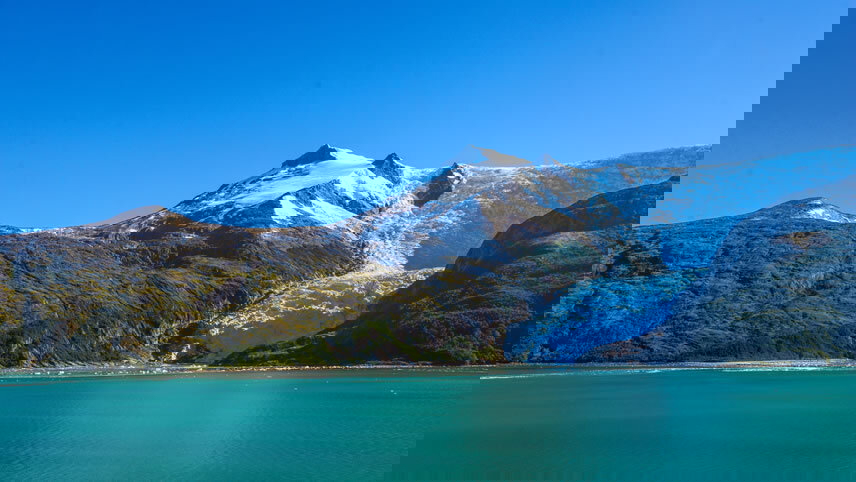
Agostini Glacier, located in the remote wilderness of Patagonia’s Tierra del Fuego, is a stunning natural wonder. This glacier, named after the Italian explorer Alberto Maria de Agostini, is accessible through the serene waters of Agostini Sound. Visitors are treated to dramatic views of sharp peaks and rugged landscapes that surround this expansive ice field.
Cruise ships navigate close to the glacier, allowing passengers to experience the majesty of this frozen landscape from the comfort of their vessel or by smaller excursion boats. The surreal tranquility of the glacier, combined with the occasional thunderous sound of calving ice, makes a visit to Agostini Glacier a breathtaking encounter with nature’s raw power.
Garibaldi Fjord and Glacier, located in Tierra del Fuego in the southernmost reaches of Chile, offer breathtaking views of pristine natural beauty. This remote fjord is flanked by steep mountains that are dramatically reflected in the calm, cold waters below. The Garibaldi Glacier, a highlight of the fjord, is an advancing glacier, which means it is slowly growing rather than retreating. This rare phenomenon adds an extra layer of significance to visits.
Navigating through the Garibaldi Fjord provides passengers with stunning vistas of the glacier and surrounding landscapes. Visitors often have the opportunity to witness calving events where chunks of ice break off the glacier and crash into the water, creating a powerful natural display. The area is also a habitat for various wildlife, including seals and numerous seabirds, enhancing the experience with chances for wildlife observation in a truly remote and untouched setting.
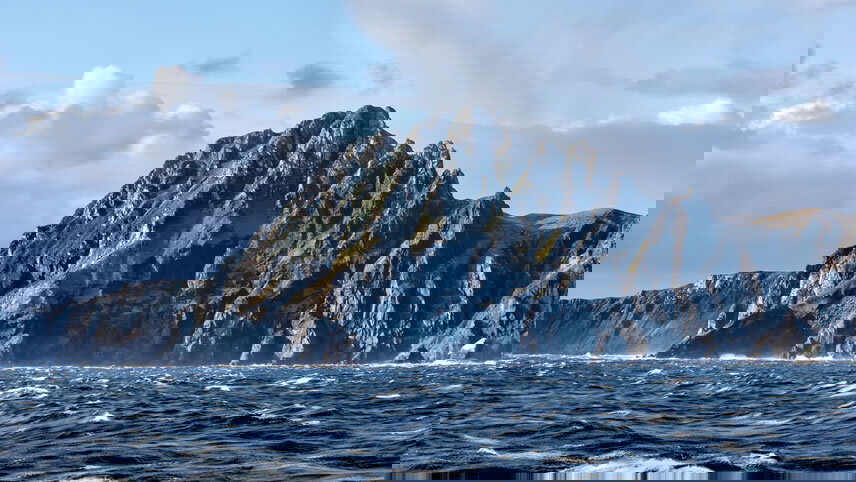
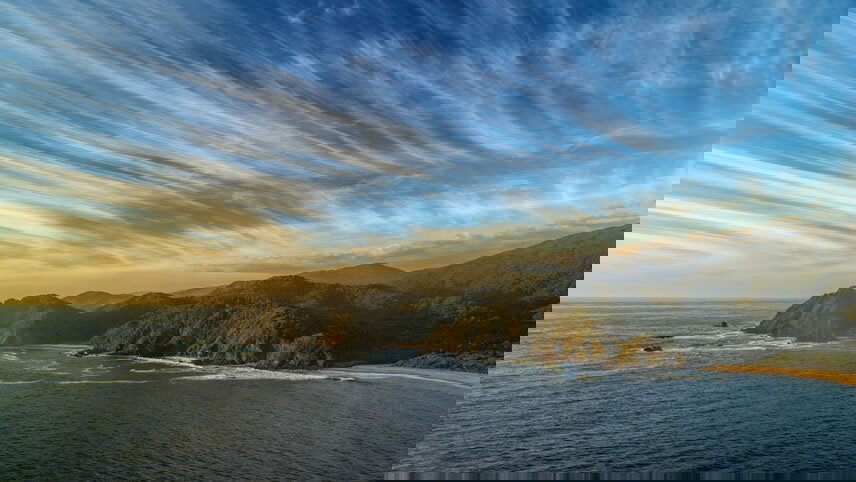
Cape Horn, where the Atlantic and Pacific tumultuously collide, is famed for its formidable ocean passage, once a crucial test for mariners and now a legendary nautical landmark.
Located at the southernmost tip of the Tierra del Fuego archipelago, it marks the point where Chile and Argentina converge.
The area's rich history includes visits by famous explorers like Magellan and Darwin and is deeply connected to the indigenous Yaghan people, who flourished here for over 8,000 years.
Sailing around Cape Horn offers an immersive experience of the raw natural beauty and robust history of the area, with a chance to see diverse wildlife and the occasional resident family, maintaining a human presence in this remote outpost.
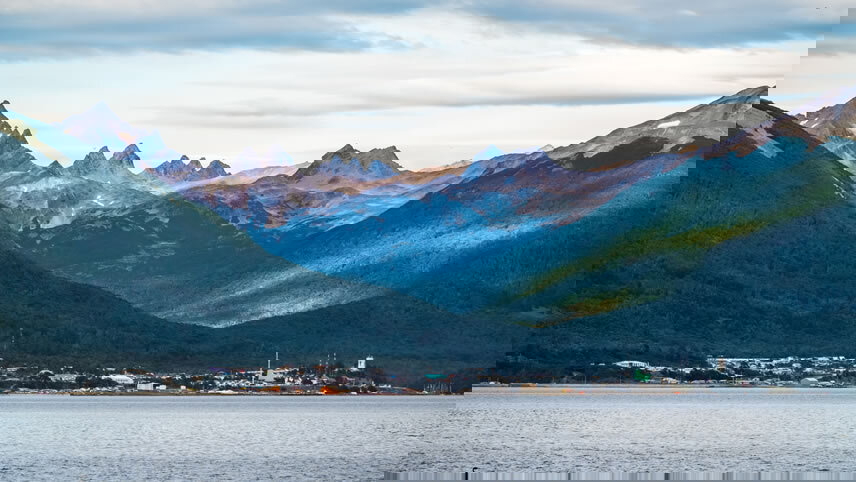
Puerto Williams, Chile, located on Navarino Island at the southern tip of South America, holds the title of the world's southernmost city. This remote outpost is more than just a geographical novelty; it's a gateway to the rugged landscapes and pristine environments of the Antarctic region. The town is a base for scientific research and a starting point for intrepid explorers heading to the icy continent.
The area around Puerto Williams is renowned for its breathtaking natural beauty, including the Dientes de Navarino trek, a challenging route that offers panoramic views of the Beagle Channel and the Darwin Range. The town also provides insights into the indigenous Yaghan community, with the Martin Gusinde Anthropological Museum documenting their rich history and culture.
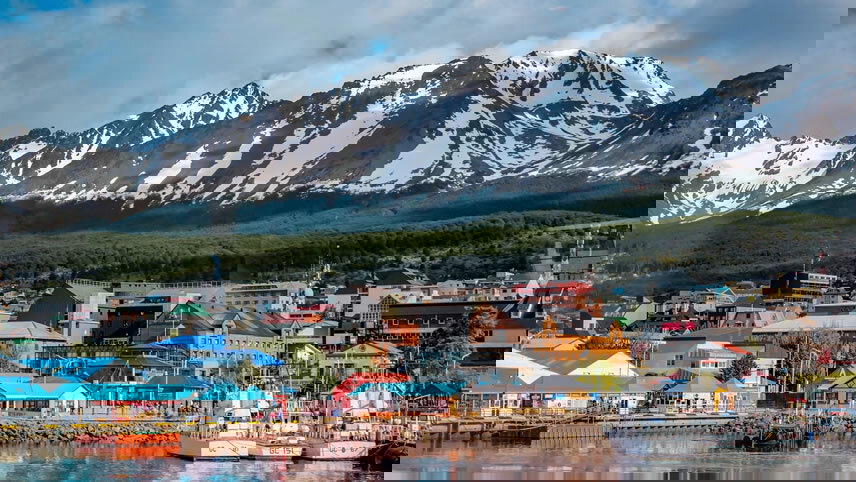
Capital of Argentina's Tierra del Fuego province, Ushuaia is considered the gateway to the White Continent and the South Pole. Nicknamed “El fin del mundo” by the Argentinian people, this city at the end of the world nestles in the shelter of mountains surrounded by fertile plains that the wildlife seem to have chosen as the ultimate sanctuary. With its exceptional site, where the Andes plunge straight into the sea, Ushuaia is one of the most fascinating places on earth, its very name evocative of journeys to the unlikely and the inaccessible.
Life On Board
Take a voyage on Le Boreal and enjoy the sophisticated luxury of small ship cruising. Read more

Choose from nine categories of staterooms and suites, all of which offer ocean views. Read more

Whether you choose to dine in the restaurant or at the grill you will savour Ponant's French gastronomy. Read more
Relax on the pool deck, take in the views from the lounges or rejuvenate in the onboard spa. Read more

From the moment you embark your every need will be looked after by the French crew. Read more

Relax and unwind at the spa in a deep aromatherapy bath filled with reviving mineral salts. Read more
Ship Reviews (2)
Download Brochure
Ponant Luxury Voyages (2025-26)
Prices & Dates
There are currently no departures available on this cruise. Either it's the end of the season and new departures will be released shortly, or this itinerary has been changed and is not operating this season. Feel free to contact us for information about when next seasons dates will be released or click here to view general release dates for all destinations.
Tour & cruises prices are per person. Prices shown have savings applied, are subject to availability and may be withdrawn at any time without notice. Pricing and trip details are correct at this point in time, however are subject to confirmation at the time of booking and are subject to change by Ponant. For cruise itineraries, cabin images are sourced from the cruise-line and should be treated as indicative only. Cabin inclusions, upholsteries and room layout may differ to the image(s) shown depending on the ship selected and your sailing dates.