Unexplored Western Antarctica Between Two Continents
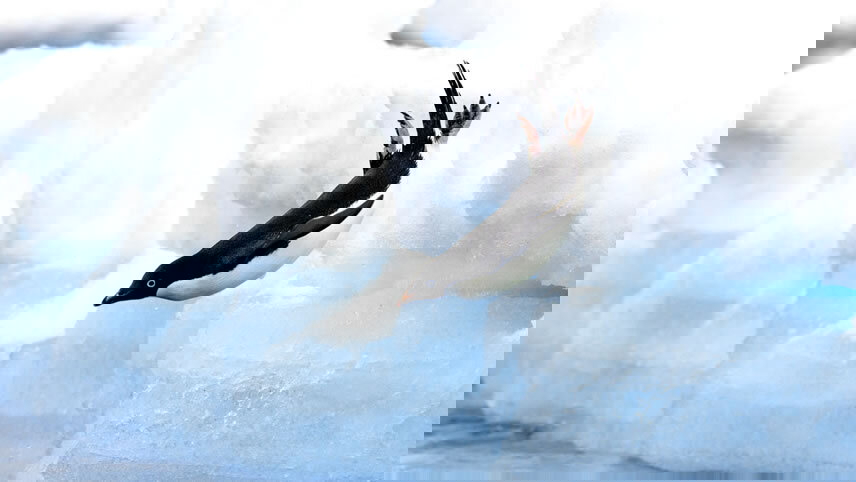
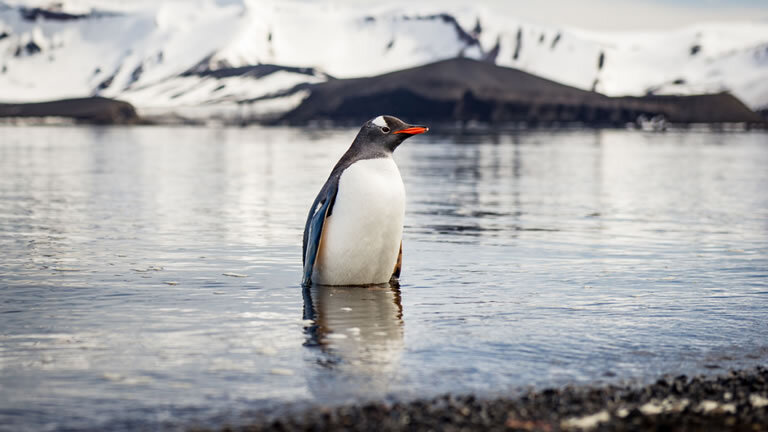
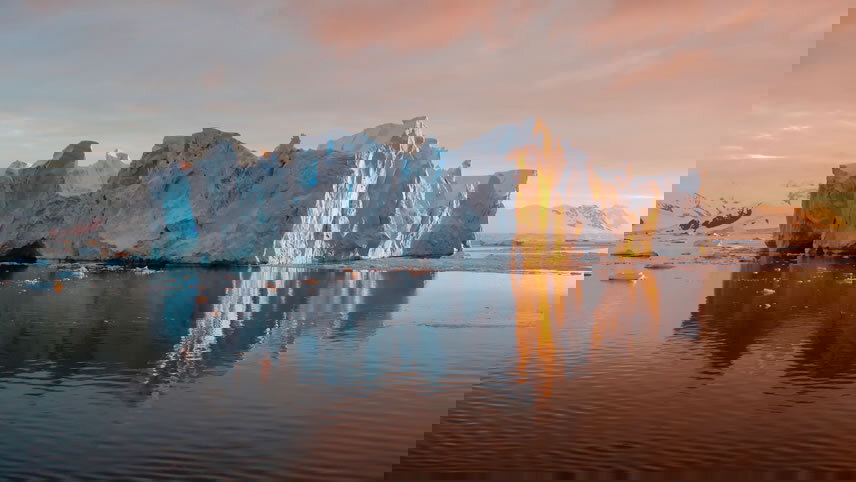
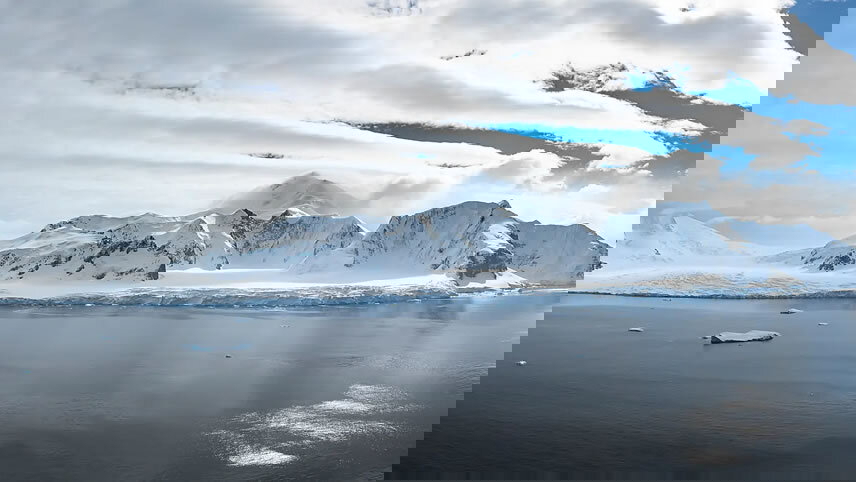
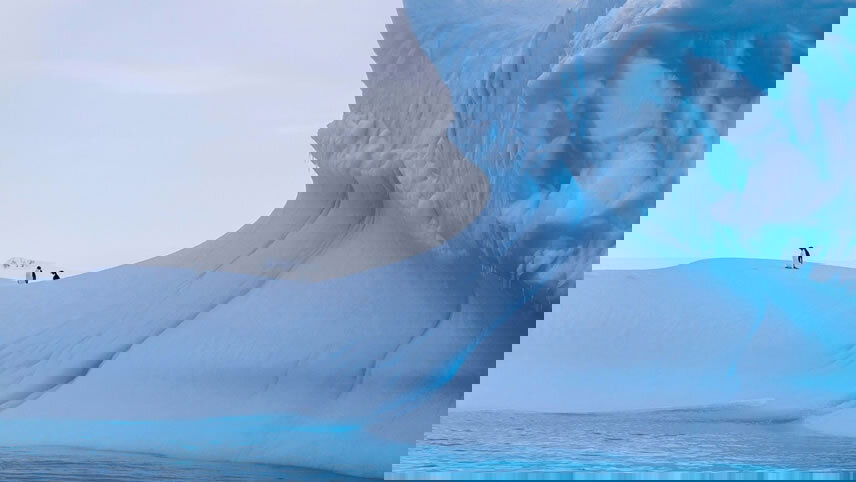


Like a real explorer, you will navigate along the Antarctic Peninsula and Marguerite Bay, approach Marie Byrd Land, one of the last Terra nullius of our planet, and, read more if conditions allow it, attempt to reach Charcot Island, enveloped in its blanket of ice. Finally, explore Ross Sea, which is very significant in the history of South Pole exploration and also the world’s largest marine protected area. As a privileged witness, keep a watchful eye and take the time to observe the Antarctic petrels, whales, orcas, seals and penguins that are to be found here.
For those wishing to extend their exploration of the White Continent, the Tasmanian city will also be the departure point for a second half-circumnavigation aboard Le Commandant Charcot that you can discover here, so as to continue fully exploring the Antarctic and its mythical regions.


Itinerary
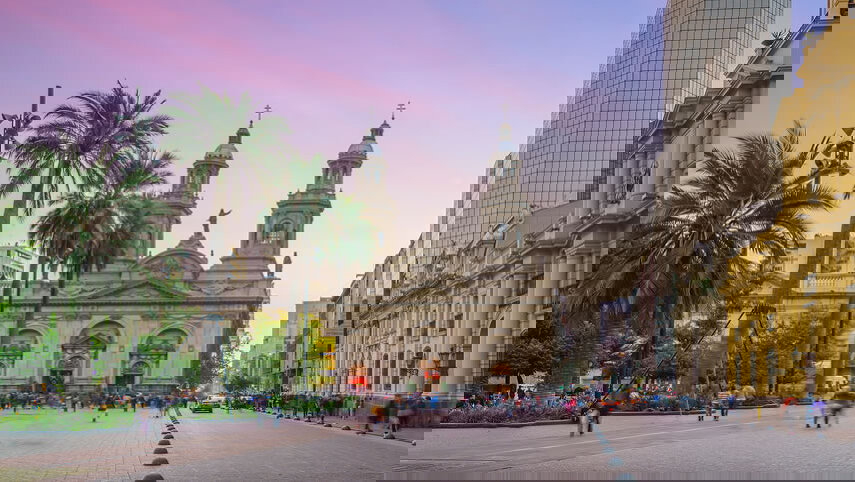
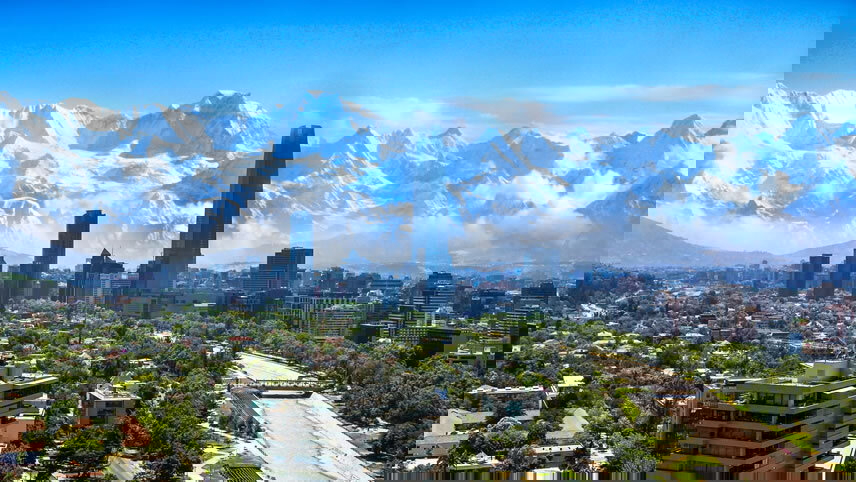
Santiago, Chile’s capital, is a vibrant city set against the stunning backdrop of the Andes. The historic Plaza de Armas, founded in 1541, is the cultural heart of Santiago, where you can admire the impressive Metropolitan Cathedral and the Central Post Office's architecture. Nearby, the National Museum of Fine Arts showcases Chilean and South American art.
Bellavista, known for its colorful street art and lively atmosphere, is home to La Chascona, the house of poet Pablo Neruda. For a taste of local flavors, the bustling Mercado Central offers a variety of fresh seafood and traditional dishes, making it a culinary highlight of the city.
Use your days spent in the Drake Passage to familiarise yourself with your ship and deepen your knowledge of the Antarctic. The Expedition Leader will first present the IAATO rules of conduct that must be observed during landings in the region and will explain everything you need to know about the zodiac outings. Lectures about the history and wildlife of the Antarctic will be an opportunity for you to learn more about this magical region, where every cruise is a unique experience. You will experience exceptional sailing moments on board and join the naturalist-guides on your ship’s exterior decks to look out for albatrosses, cape petrels, and other seabirds flying over the Drake Passage.
Weather permitting, we'll cross the mythic line of the Antarctic Polar Circle, located along 66°33’ south of the Equator. This iconic area demarcates the point from which it is possible to view the midnight sun during the December solstice. Within this circle, the sun remains above the horizon for 24 consecutive hours at least once a year. Crossing this line, an experience known to few people, is sure to be an unforgettable highlight of your cruise through the polar regions.
Throughout your time in the north of the Antarctic Peninsula, you will find yourself in the heart of a spectacular decor in subtle shades of blue and white, surrounded by exceptional wildlife. You will sail through the Antarctic Sound, named after Swedish explorer Otto Nordenskjöld’s ship, which was trapped by the ice during an important scientific expedition in 1902. The gateway to the Weddell Sea, this sound is filled with gigantic tabular icebergs and plates of sea ice drifting northward from the coastal areas of this vast sea. It is home to Adelie penguins and a great many leopard seals.
The icebergs are each more majestic than the next and scattered around the deep and intense blue waters of Marguerite Bay, one of the most beautiful regions in the Antarctic. It is delimited in the north by the mountainous Adelaide Island, in the south by George VI Sound and Alexander Island, and in the east by the Fallières Coast. Charcot named it after his wife during his second expedition to the Antarctic between 1908 and 1910. In 1909, in the southern summer when the skies are at their clearest, he led an important scientific mission to map and study this region. The bay is home to a number of cetaceans and you may get the chance to observe leopard seals or Adelie penguins.
When he discovered this island surrounded by sea ice in 1910 from aboard the Pourquoi Pas as he mapped Alexander Island, Jean-Baptiste Charcot had not be able to get less than 40 miles away from it. Situated in a zone that experiences frequent low-pressure systems and regular cloud cover, the island remains in many ways an enigma. It is entirely covered in ice and sheer cliffs, with the exception of the rocky outcrops extending over a dozen kilometres in the far north-west. The ice in the narrowest part of Wilkins Sound has been cracking in recent times, thus officially detaching this island from its neighbour, Alexander Island, lying 50 km away. Very few people have landed on this largely untouched island, whose waters attract numerous seabirds, such as petrels, Antarctic terns and skuas.
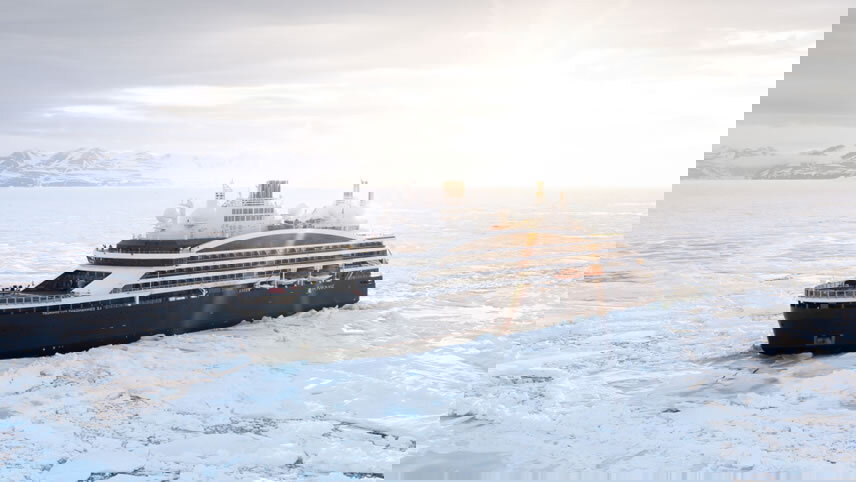
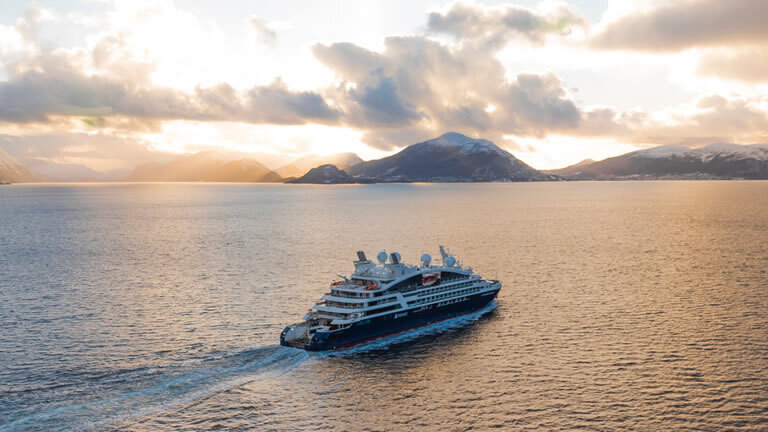
Spend exceptional moments sailing aboard Le Commandant Charcot, the world’s first luxury polar exploration vessel and the first PC2-class polar cruise ship capable of sailing into the very heart of the ice, on seas and oceans which the frozen conditions render inaccessible to ordinary ships. Le Commandant Charcot is fitted with oceanographic and scientific equipment selected by a committee of experts.
Take advantage of the on-board lectures and opportunities for discussion with these specialists to learn more about the poles. Participate in furthering scientific research with PONANT and let us discover together what these fascinating destinations have yet to reveal to us.
Marie Byrd Land is one of the most remote territories of our planet’s most inaccessible continent. It is a real privilege to just be able to contemplate its shores! Between the Ross Sea and its large shelf to the east and Bellingshausen Sea to the west, the frozen coastlines of these lands are bordered by the Amundsen Sea, partially covered by a thick ice floe. Stretching over more than a million km2 (over 620,000 square miles) in Western Antarctica, its ground is also isolated from the rest of the continent by the Transantarctic Mountains.
It is certainly this geographic remoteness and its harsh climate that have made it one of our planet’s rare Terra nullius, a territory claimed by no State. In 1929, Marie Byrd Land got its name from Admiral Richard E. Byrd, in honour of his wife, following his expedition to the region. The exploration of its ice-sculpted landscapes will plunge you into the infinite Antarctic desert, where penguins, seals, whales and orcas are the only living souls. Depending on the time and weather conditions, your exploration of the region will take you towards a string of islands which, although little-known, remain fascinating: Siple Island and its eponymous mount, resulting from an old volcano and Clark Island.
Marie Byrd Land is one of the most remote territories of our planet’s most inaccessible continent. It is a real privilege to just be able to contemplate its shores! Between the Ross Sea and its large shelf to the east and Bellingshausen Sea to the west, the frozen coastlines of these lands are bordered by the Amundsen Sea, partially covered by a thick ice floe. Stretching over more than a million km2 (over 620,000 square miles) in Western Antarctica, its ground is also isolated from the rest of the continent by the Transantarctic Mountains.
It is certainly this geographic remoteness and its harsh climate that have made it one of our planet’s rare Terra nullius, a territory claimed by no State. In 1929, Marie Byrd Land got its name from Admiral Richard E. Byrd, in honour of his wife, following his expedition to the region. The exploration of its ice-sculpted landscapes will plunge you into the infinite Antarctic desert, where penguins, seals, whales and orcas are the only living souls. Depending on the time and weather conditions, your exploration of the region will take you towards a string of islands which, although little-known, remain fascinating: Siple Island and its eponymous mount, resulting from an old volcano and Clark Island.
Marie Byrd Land is one of the most remote territories of our planet’s most inaccessible continent. It is a real privilege to just be able to contemplate its shores! Between the Ross Sea and its large shelf to the east and Bellingshausen Sea to the west, the frozen coastlines of these lands are bordered by the Amundsen Sea, partially covered by a thick ice floe. Stretching over more than a million km2 (over 620,000 square miles) in Western Antarctica, its ground is also isolated from the rest of the continent by the Transantarctic Mountains.
It is certainly this geographic remoteness and its harsh climate that have made it one of our planet’s rare Terra nullius, a territory claimed by no State. In 1929, Marie Byrd Land got its name from Admiral Richard E. Byrd, in honour of his wife, following his expedition to the region. The exploration of its ice-sculpted landscapes will plunge you into the infinite Antarctic desert, where penguins, seals, whales and orcas are the only living souls. Depending on the time and weather conditions, your exploration of the region will take you towards a string of islands which, although little-known, remain fascinating: Siple Island and its eponymous mount, resulting from an old volcano and Clark Island.
Marie Byrd Land is one of the most remote territories of our planet’s most inaccessible continent. It is a real privilege to just be able to contemplate its shores! Between the Ross Sea and its large shelf to the east and Bellingshausen Sea to the west, the frozen coastlines of these lands are bordered by the Amundsen Sea, partially covered by a thick ice floe. Stretching over more than a million km2 (over 620,000 square miles) in Western Antarctica, its ground is also isolated from the rest of the continent by the Transantarctic Mountains.
It is certainly this geographic remoteness and its harsh climate that have made it one of our planet’s rare Terra nullius, a territory claimed by no State. In 1929, Marie Byrd Land got its name from Admiral Richard E. Byrd, in honour of his wife, following his expedition to the region. The exploration of its ice-sculpted landscapes will plunge you into the infinite Antarctic desert, where penguins, seals, whales and orcas are the only living souls. Depending on the time and weather conditions, your exploration of the region will take you towards a string of islands which, although little-known, remain fascinating: Siple Island and its eponymous mount, resulting from an old volcano and Clark Island.
Marie Byrd Land is one of the most remote territories of our planet’s most inaccessible continent. It is a real privilege to just be able to contemplate its shores! Between the Ross Sea and its large shelf to the east and Bellingshausen Sea to the west, the frozen coastlines of these lands are bordered by the Amundsen Sea, partially covered by a thick ice floe. Stretching over more than a million km2 (over 620,000 square miles) in Western Antarctica, its ground is also isolated from the rest of the continent by the Transantarctic Mountains.
It is certainly this geographic remoteness and its harsh climate that have made it one of our planet’s rare Terra nullius, a territory claimed by no State. In 1929, Marie Byrd Land got its name from Admiral Richard E. Byrd, in honour of his wife, following his expedition to the region. The exploration of its ice-sculpted landscapes will plunge you into the infinite Antarctic desert, where penguins, seals, whales and orcas are the only living souls. Depending on the time and weather conditions, your exploration of the region will take you towards a string of islands which, although little-known, remain fascinating: Siple Island and its eponymous mount, resulting from an old volcano and Clark Island.
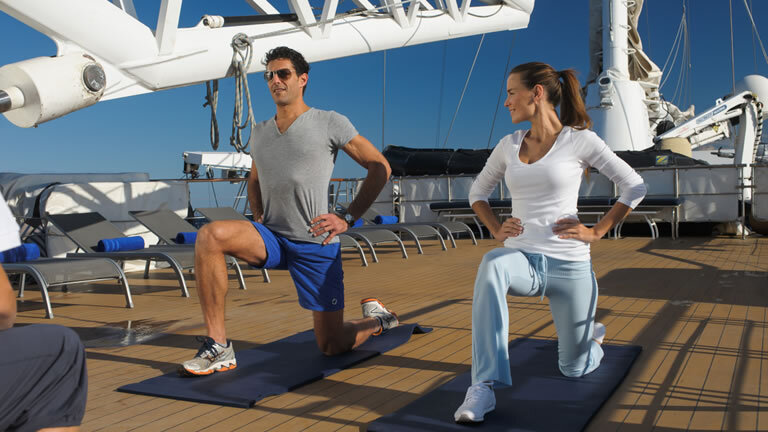
During your journey at sea, make the most of the many services and activities on board. Treat yourself to a moment of relaxation in the spa or stay in shape in the fitness centre. Depending on the season, let yourself be tempted by the swimming pool or a spot of sunbathing.
This journey without a port of call will also be an opportunity to enjoy the conferences or shows proposed on board, depending on the activities offered, or to do some shopping in the boutique or to meet the Ponant photographers in their dedicated space. As for lovers of the open sea, they will be able to visit the ship’s upper deck to admire the spectacle of the waves and perhaps be lucky enough to observe marine species. A truly enchanted interlude, combining comfort, rest and entertainment.
The international date line, established in 1884, passes through the mid-Pacific Ocean and roughly follows a 180 degrees longitude north to south line on the Earth. It does zigzag around political borders such as eastern Russia and Alaska’s Aleutian Islands.
Crossing the date line eastbound decreases the date by one day, while crossing the date line westbound increases the date. So when you cross east to west you always lose a day and crossing from west to east you get the same day twice (or gain a day).
The Ross Sea, the southernmost sea in the world, owes its name to Sir James Clark Ross, both a naturalist and a Royal Navy officer, who first explored the area in 1841 with HMS Erebus and HMS Terror. It is bounded on the east by Roosevelt Island and the Edward VII Peninsula in Mary Byrd Land, on the west by Ross Island and the coastal mountains of Victoria Land, and on the south by the Ross Ice Shelf, the largest ice shelf in Antarctica located some 320 km from the geographic South Pole.
The history and treasures of the world's ultimate marine sanctuary will be revealed during this extraordinary expedition. You will be able, weather and ice conditions permitting, to discover several emblematic sites in the region. Among the possible stopovers, Cape Adare, at the northern end of the Borchgrevink coast, home to the world’s largest colony of Adélie penguins.
We will attempt to reach Terra Nova Bay where the Italian and South Korean scientific stations are located to the north and the Drygalski Ice Tongue to the south. Dating back at least 4000 years, it extends 70 km offshore from the David Glacier and is 24 km at its widest point. On the Inexpressible Island, discover the exceptional survival conditions of a group of six men of the Terra Nova expedition, led by Robert Falcon Scott (1910-1913), forced to winter in a cave dug in the ice, today classified as an Antarctica historical monument.
On Ross Island, follow in the footsteps of the polar explorers Sir James Clark Ross and discover Sir Ernest Shackleton's hut, classified as an Antarctica historical monument. Built at Cape Royds during the British expedition Nimrod (1907-1909), it proudly stands at the bottom of Mount Erebus. Sixty years earlier, while Captain James Ross was trying to reach the South Magnetic Pole, he discovered Franklin Island, located 130 km east of Cape Hickey in Victoria Land. He named it after Sir John Franklin, Arctic explorer and governor of the territory of present-day Tasmania. You will be offered there, a privileged position to observe Adélie penguins in their daily ballet as well as Weddell seals, resting on the shore.
The Ross Sea, the southernmost sea in the world, owes its name to Sir James Clark Ross, both a naturalist and a Royal Navy officer, who first explored the area in 1841 with HMS Erebus and HMS Terror. It is bounded on the east by Roosevelt Island and the Edward VII Peninsula in Mary Byrd Land, on the west by Ross Island and the coastal mountains of Victoria Land, and on the south by the Ross Ice Shelf, the largest ice shelf in Antarctica located some 320 km from the geographic South Pole.
The history and treasures of the world's ultimate marine sanctuary will be revealed during this extraordinary expedition. You will be able, weather and ice conditions permitting, to discover several emblematic sites in the region. Among the possible stopovers, Cape Adare, at the northern end of the Borchgrevink coast, home to the world’s largest colony of Adélie penguins.
We will attempt to reach Terra Nova Bay where the Italian and South Korean scientific stations are located to the north and the Drygalski Ice Tongue to the south. Dating back at least 4000 years, it extends 70 km offshore from the David Glacier and is 24 km at its widest point. On the Inexpressible Island, discover the exceptional survival conditions of a group of six men of the Terra Nova expedition, led by Robert Falcon Scott (1910-1913), forced to winter in a cave dug in the ice, today classified as an Antarctica historical monument.
On Ross Island, follow in the footsteps of the polar explorers Sir James Clark Ross and discover Sir Ernest Shackleton's hut, classified as an Antarctica historical monument. Built at Cape Royds during the British expedition Nimrod (1907-1909), it proudly stands at the bottom of Mount Erebus. Sixty years earlier, while Captain James Ross was trying to reach the South Magnetic Pole, he discovered Franklin Island, located 130 km east of Cape Hickey in Victoria Land. He named it after Sir John Franklin, Arctic explorer and governor of the territory of present-day Tasmania. You will be offered there, a privileged position to observe Adélie penguins in their daily ballet as well as Weddell seals, resting on the shore.
The Ross Sea, the southernmost sea in the world, owes its name to Sir James Clark Ross, both a naturalist and a Royal Navy officer, who first explored the area in 1841 with HMS Erebus and HMS Terror. It is bounded on the east by Roosevelt Island and the Edward VII Peninsula in Mary Byrd Land, on the west by Ross Island and the coastal mountains of Victoria Land, and on the south by the Ross Ice Shelf, the largest ice shelf in Antarctica located some 320 km from the geographic South Pole.
The history and treasures of the world's ultimate marine sanctuary will be revealed during this extraordinary expedition. You will be able, weather and ice conditions permitting, to discover several emblematic sites in the region. Among the possible stopovers, Cape Adare, at the northern end of the Borchgrevink coast, home to the world’s largest colony of Adélie penguins.
We will attempt to reach Terra Nova Bay where the Italian and South Korean scientific stations are located to the north and the Drygalski Ice Tongue to the south. Dating back at least 4000 years, it extends 70 km offshore from the David Glacier and is 24 km at its widest point. On the Inexpressible Island, discover the exceptional survival conditions of a group of six men of the Terra Nova expedition, led by Robert Falcon Scott (1910-1913), forced to winter in a cave dug in the ice, today classified as an Antarctica historical monument.
On Ross Island, follow in the footsteps of the polar explorers Sir James Clark Ross and discover Sir Ernest Shackleton's hut, classified as an Antarctica historical monument. Built at Cape Royds during the British expedition Nimrod (1907-1909), it proudly stands at the bottom of Mount Erebus. Sixty years earlier, while Captain James Ross was trying to reach the South Magnetic Pole, he discovered Franklin Island, located 130 km east of Cape Hickey in Victoria Land. He named it after Sir John Franklin, Arctic explorer and governor of the territory of present-day Tasmania. You will be offered there, a privileged position to observe Adélie penguins in their daily ballet as well as Weddell seals, resting on the shore.
The Ross Sea, the southernmost sea in the world, owes its name to Sir James Clark Ross, both a naturalist and a Royal Navy officer, who first explored the area in 1841 with HMS Erebus and HMS Terror. It is bounded on the east by Roosevelt Island and the Edward VII Peninsula in Mary Byrd Land, on the west by Ross Island and the coastal mountains of Victoria Land, and on the south by the Ross Ice Shelf, the largest ice shelf in Antarctica located some 320 km from the geographic South Pole.
The history and treasures of the world's ultimate marine sanctuary will be revealed during this extraordinary expedition. You will be able, weather and ice conditions permitting, to discover several emblematic sites in the region. Among the possible stopovers, Cape Adare, at the northern end of the Borchgrevink coast, home to the world’s largest colony of Adélie penguins.
We will attempt to reach Terra Nova Bay where the Italian and South Korean scientific stations are located to the north and the Drygalski Ice Tongue to the south. Dating back at least 4000 years, it extends 70 km offshore from the David Glacier and is 24 km at its widest point. On the Inexpressible Island, discover the exceptional survival conditions of a group of six men of the Terra Nova expedition, led by Robert Falcon Scott (1910-1913), forced to winter in a cave dug in the ice, today classified as an Antarctica historical monument.
On Ross Island, follow in the footsteps of the polar explorers Sir James Clark Ross and discover Sir Ernest Shackleton's hut, classified as an Antarctica historical monument. Built at Cape Royds during the British expedition Nimrod (1907-1909), it proudly stands at the bottom of Mount Erebus. Sixty years earlier, while Captain James Ross was trying to reach the South Magnetic Pole, he discovered Franklin Island, located 130 km east of Cape Hickey in Victoria Land. He named it after Sir John Franklin, Arctic explorer and governor of the territory of present-day Tasmania. You will be offered there, a privileged position to observe Adélie penguins in their daily ballet as well as Weddell seals, resting on the shore.
The Ross Sea, the southernmost sea in the world, owes its name to Sir James Clark Ross, both a naturalist and a Royal Navy officer, who first explored the area in 1841 with HMS Erebus and HMS Terror. It is bounded on the east by Roosevelt Island and the Edward VII Peninsula in Mary Byrd Land, on the west by Ross Island and the coastal mountains of Victoria Land, and on the south by the Ross Ice Shelf, the largest ice shelf in Antarctica located some 320 km from the geographic South Pole.
The history and treasures of the world's ultimate marine sanctuary will be revealed during this extraordinary expedition. You will be able, weather and ice conditions permitting, to discover several emblematic sites in the region. Among the possible stopovers, Cape Adare, at the northern end of the Borchgrevink coast, home to the world’s largest colony of Adélie penguins.
We will attempt to reach Terra Nova Bay where the Italian and South Korean scientific stations are located to the north and the Drygalski Ice Tongue to the south. Dating back at least 4000 years, it extends 70 km offshore from the David Glacier and is 24 km at its widest point. On the Inexpressible Island, discover the exceptional survival conditions of a group of six men of the Terra Nova expedition, led by Robert Falcon Scott (1910-1913), forced to winter in a cave dug in the ice, today classified as an Antarctica historical monument.
On Ross Island, follow in the footsteps of the polar explorers Sir James Clark Ross and discover Sir Ernest Shackleton's hut, classified as an Antarctica historical monument. Built at Cape Royds during the British expedition Nimrod (1907-1909), it proudly stands at the bottom of Mount Erebus. Sixty years earlier, while Captain James Ross was trying to reach the South Magnetic Pole, he discovered Franklin Island, located 130 km east of Cape Hickey in Victoria Land. He named it after Sir John Franklin, Arctic explorer and governor of the territory of present-day Tasmania. You will be offered there, a privileged position to observe Adélie penguins in their daily ballet as well as Weddell seals, resting on the shore.
The Ross Sea, the southernmost sea in the world, owes its name to Sir James Clark Ross, both a naturalist and a Royal Navy officer, who first explored the area in 1841 with HMS Erebus and HMS Terror. It is bounded on the east by Roosevelt Island and the Edward VII Peninsula in Mary Byrd Land, on the west by Ross Island and the coastal mountains of Victoria Land, and on the south by the Ross Ice Shelf, the largest ice shelf in Antarctica located some 320 km from the geographic South Pole.
The history and treasures of the world's ultimate marine sanctuary will be revealed during this extraordinary expedition. You will be able, weather and ice conditions permitting, to discover several emblematic sites in the region. Among the possible stopovers, Cape Adare, at the northern end of the Borchgrevink coast, home to the world’s largest colony of Adélie penguins.
We will attempt to reach Terra Nova Bay where the Italian and South Korean scientific stations are located to the north and the Drygalski Ice Tongue to the south. Dating back at least 4000 years, it extends 70 km offshore from the David Glacier and is 24 km at its widest point. On the Inexpressible Island, discover the exceptional survival conditions of a group of six men of the Terra Nova expedition, led by Robert Falcon Scott (1910-1913), forced to winter in a cave dug in the ice, today classified as an Antarctica historical monument.
On Ross Island, follow in the footsteps of the polar explorers Sir James Clark Ross and discover Sir Ernest Shackleton's hut, classified as an Antarctica historical monument. Built at Cape Royds during the British expedition Nimrod (1907-1909), it proudly stands at the bottom of Mount Erebus. Sixty years earlier, while Captain James Ross was trying to reach the South Magnetic Pole, he discovered Franklin Island, located 130 km east of Cape Hickey in Victoria Land. He named it after Sir John Franklin, Arctic explorer and governor of the territory of present-day Tasmania. You will be offered there, a privileged position to observe Adélie penguins in their daily ballet as well as Weddell seals, resting on the shore.
The Ross Sea, the southernmost sea in the world, owes its name to Sir James Clark Ross, both a naturalist and a Royal Navy officer, who first explored the area in 1841 with HMS Erebus and HMS Terror. It is bounded on the east by Roosevelt Island and the Edward VII Peninsula in Mary Byrd Land, on the west by Ross Island and the coastal mountains of Victoria Land, and on the south by the Ross Ice Shelf, the largest ice shelf in Antarctica located some 320 km from the geographic South Pole.
The history and treasures of the world's ultimate marine sanctuary will be revealed during this extraordinary expedition. You will be able, weather and ice conditions permitting, to discover several emblematic sites in the region. Among the possible stopovers, Cape Adare, at the northern end of the Borchgrevink coast, home to the world’s largest colony of Adélie penguins.
We will attempt to reach Terra Nova Bay where the Italian and South Korean scientific stations are located to the north and the Drygalski Ice Tongue to the south. Dating back at least 4000 years, it extends 70 km offshore from the David Glacier and is 24 km at its widest point. On the Inexpressible Island, discover the exceptional survival conditions of a group of six men of the Terra Nova expedition, led by Robert Falcon Scott (1910-1913), forced to winter in a cave dug in the ice, today classified as an Antarctica historical monument.
On Ross Island, follow in the footsteps of the polar explorers Sir James Clark Ross and discover Sir Ernest Shackleton's hut, classified as an Antarctica historical monument. Built at Cape Royds during the British expedition Nimrod (1907-1909), it proudly stands at the bottom of Mount Erebus. Sixty years earlier, while Captain James Ross was trying to reach the South Magnetic Pole, he discovered Franklin Island, located 130 km east of Cape Hickey in Victoria Land. He named it after Sir John Franklin, Arctic explorer and governor of the territory of present-day Tasmania. You will be offered there, a privileged position to observe Adélie penguins in their daily ballet as well as Weddell seals, resting on the shore.
The Balleny Islands are an extremely remote series of islands extending for about 160 kilometres in a northwest-southeast direction straddling the Antarctic Circle some 270 kilometres north of the Antarctic mainland. The volcanic islands are heavily glaciated and have received few human visitors since their discovery in 1839. Their isolated location within the rich waters of the Southern Ocean has resulted in a species diversity rivalling the entire Ross Sea region. Humpback, fin and minke whales are regular visitors to the rich feeding grounds along with Crabeater, Weddell, elephant and leopard seals. Several of the islands are home to significant colonies of Adélie and Chinstrap penguins. If time and weather permit, guests will have the opportunity to explore the spectacular coastal environments and view the prolific wildlife from our fleet of zodiac.
Spend exceptional moments sailing aboard Le Commandant Charcot, the world’s first luxury polar exploration vessel and the first PC2-class polar cruise ship capable of sailing into the very heart of the ice, on seas and oceans which the frozen conditions render inaccessible to ordinary ships. Le Commandant Charcot is fitted with oceanographic and scientific equipment selected by a committee of experts.
Take advantage of the on-board lectures and opportunities for discussion with these specialists to learn more about the poles. Participate in furthering scientific research with PONANT and let us discover together what these fascinating destinations have yet to reveal to us.
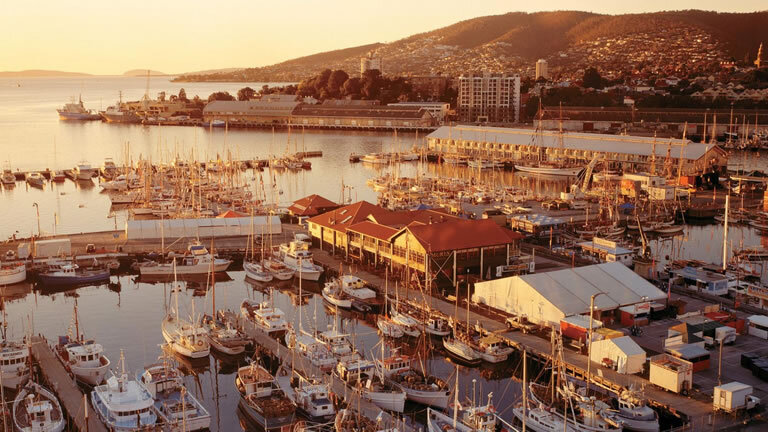
Tasmania's capital is a charming little city that blends natural beauty with a rich maritime history. Start at the bustling Salamanca Place, home to galleries, cafés, and the famous Salamanca Market on Saturdays. A short drive takes you to Mount Wellington, offering panoramic views of the city and beyond. The waterfront is perfect for sampling fresh seafood, especially at Constitution Dock, where fishing boats unload their daily catch. Ships dock at Macquarie Wharf.
Tasmania's capital is a charming little city that blends natural beauty with a rich maritime history. Start at the bustling Salamanca Place, home to galleries, cafés, and the famous Salamanca Market on Saturdays. A short drive takes you to Mount Wellington, offering panoramic views of the city and beyond. The waterfront is perfect for sampling fresh seafood, especially at Constitution Dock, where fishing boats unload their daily catch. Ships dock at Macquarie Wharf.
Life On Board
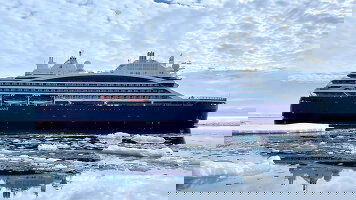
Le Commandant Charcot offers guests small ship luxury expeditions with unique hybrid powered clean technology. Read more
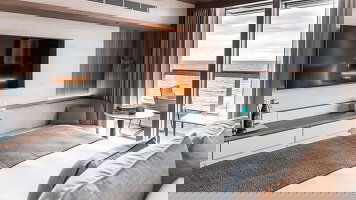
Choose your home away from home from 135 elegantly appointed outward facing staterooms and suites. Read more
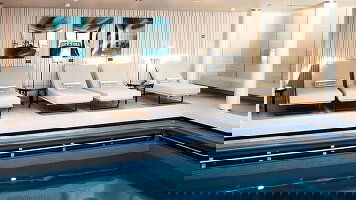
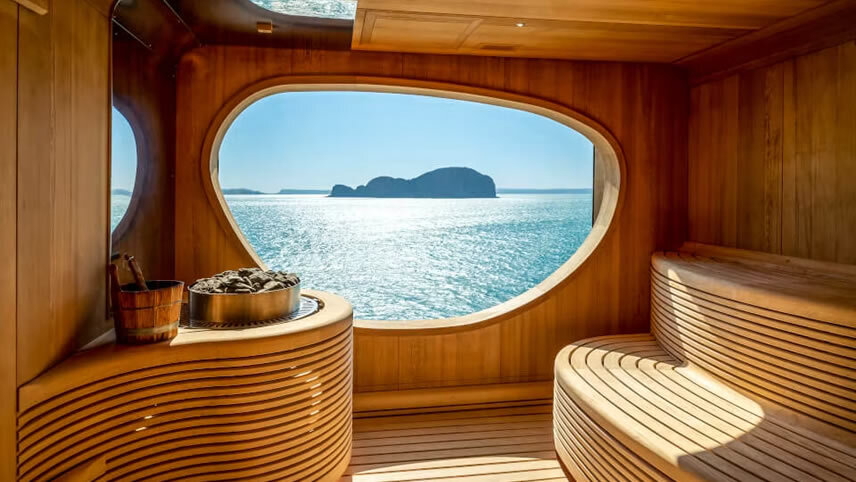
From the indoor heated pool to the Snow Room and Fitness Centre, relax and rejuvenate as you cruise. Read more
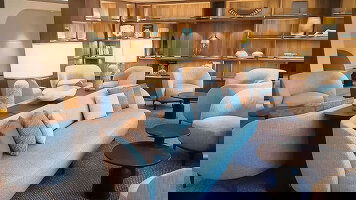
Combining space for events and cosy corners you will enjoy the social ambience in the luxury lounge. Read more
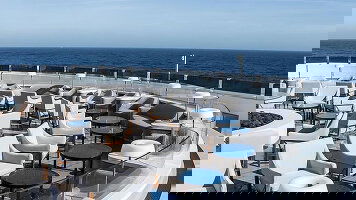
Built for the environment, you will leave no trace when you break the ice on a polar expedition. Read more

The French crew will welcome you aboard and ensure your comfort and wellbeing is paramount throughout your voyage. Read more

Dates & Pricing
Cabin Layout Options:
Select Cabin Preference:
Tour & cruises prices are per person. Prices shown have savings applied, are subject to availability and may be withdrawn at any time without notice. Pricing and trip details are correct at this point in time, however are subject to confirmation at the time of booking and are subject to change by Ponant. For cruise itineraries, cabin images are sourced from the cruise-line and should be treated as indicative only. Cabin inclusions, upholsteries and room layout may differ to the image(s) shown depending on the ship selected and your sailing dates.
Similar Cruises
31 Days Hobart Ushuaia
Operated By: Ponant
