Scottish Archipelagos and the Faroe Islands: Nordic Heritage and Island Identities
Overview
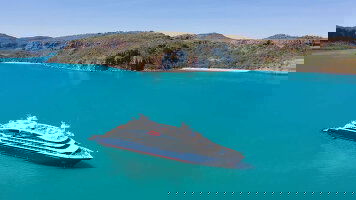
PONANT proposes a 10-day cruise aboard Le Lyrial exploring the captivating landscapes and extraordinary historical heritage of the archipelagos of Scotland and the Faroe Islands, lands with Celtic and Viking influences. Leaving from Glasgow, you will reach Tobermory, a charming fishing port with multicoloured houses and with a distillery that read more produces a renowned single malt.
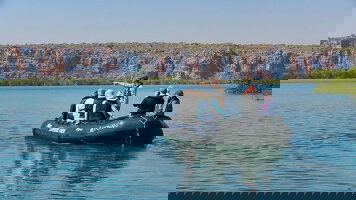
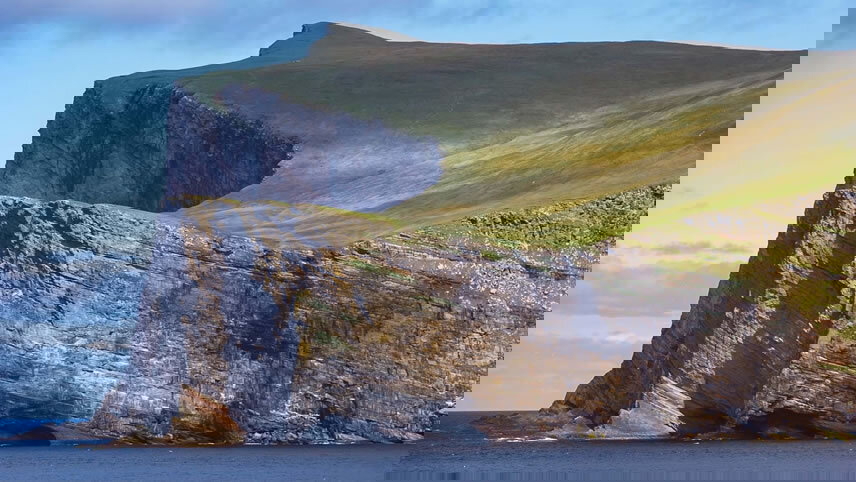
You will then sail towards Loch Ewe, located in the northwest of the Highlands. Nestled at the end of this sea loch, you will discover the remarkable Inverewe Gardens, both a botanical curiosity and a subtropical paradise. Afterwards, you will follow the coastline of the Shiant Islands. During a Zodiac exploration, you will be able to admire the towering sandstone cliffs, home to numerous colonies of seabirds.
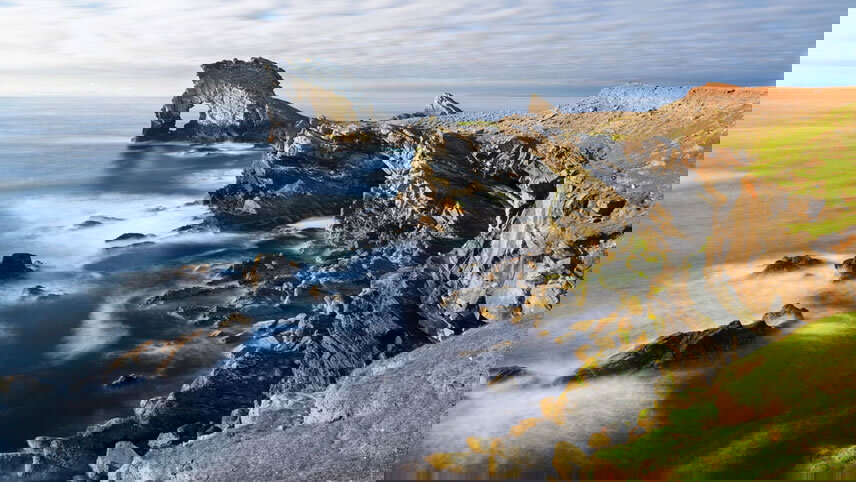
In the Hebrides, St Kilda is a small volcanic archipelago with incredibly beautiful scenery, where the sheer cliffs rub shoulders with vast and verdant relief. The main island is a UNESCO World Heritage Site; uninhabited since 1930, it has remnants of very old dwellings. In the middle of the North Sea, the Scottish archipelago of the Shetlands is rich in unsuspected treasures on its raw territories with jagged coastlines. Laissez-vous captiver par Foula, une île parmi les plus en retrait où l’homme a dû composer avec les éléments.
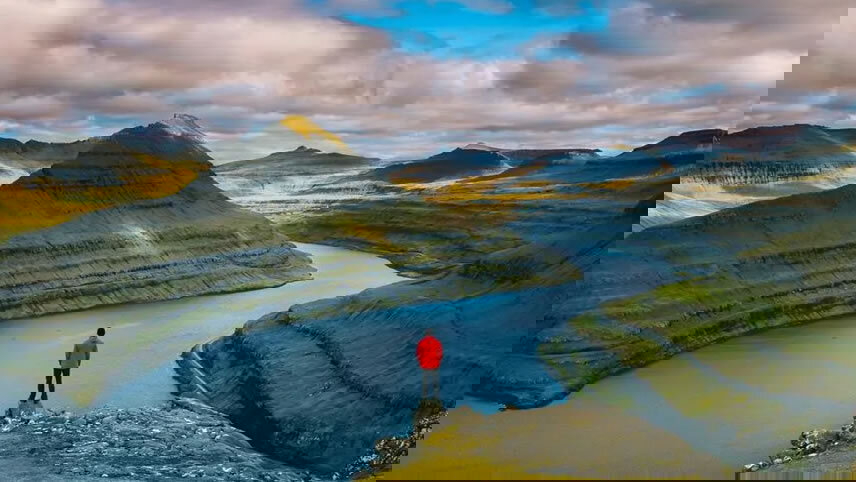
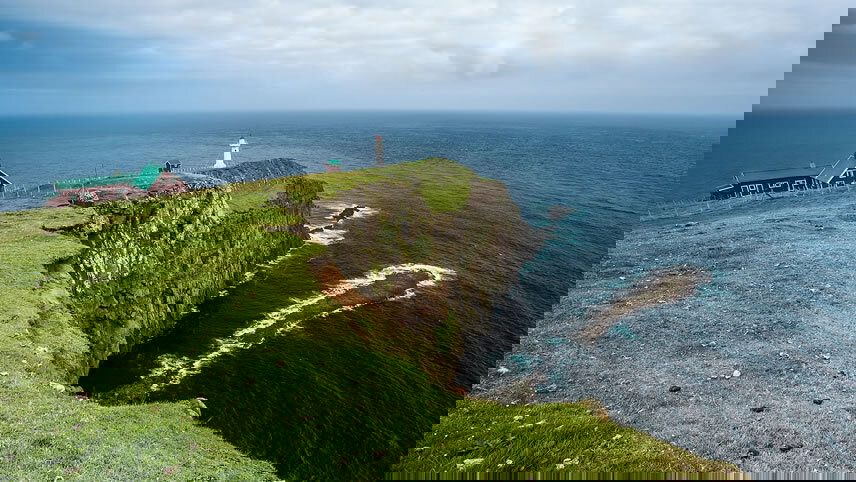
Your ship will then sail north towards the Faroe Islands, Denmark’s northernmost autonomous territory. In this isolated archipelago, you will immerse yourself in a wild and spectacular natural environment. In Suduroy, the rolling plains populated by sheep shape the scenery punctuated by sheer summits, mountain lakes and jagged cliffs looking out to the islands, offering outstanding terrestrial and maritime panoramas. In Streymoy, you will enjoy sailing around cliffs home to bird colonies. Here, the Viking legends and the Nordic cosmogony are never far away.
In the Hebrides, you will call at Stornoway, the main town on the island, built by the Vikings in the 9th century. One of the most important prehistoric sites in Scotland can be found here: the Calanais Standing Stones.
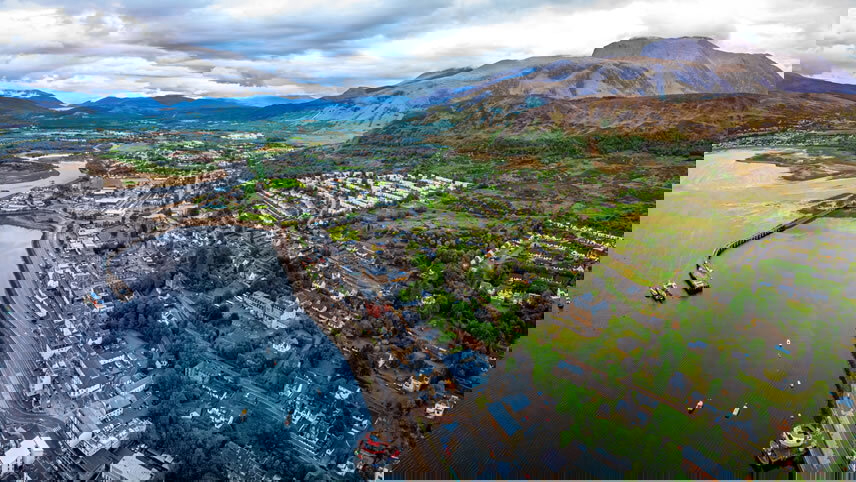
You will then set a course for the southwest Highlands to reach Fort William. This harbour town on the shores of Loch Linnhe is steeped in Scottish history and tradition, close to the beautiful and spectacular scenery of Glencoe. Finally, you will reach Glasgow, your disembarkation port.


10 Days

Glasgow

Glasgow


Itinerary
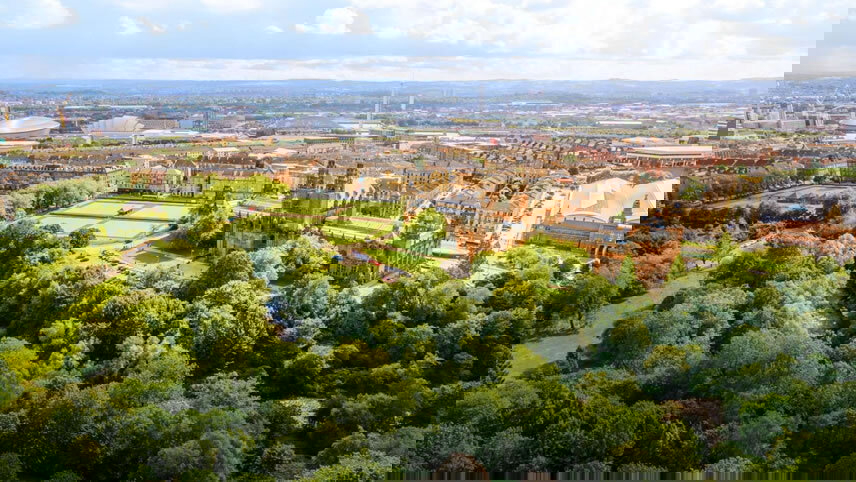
Glasgow was Scotland's great industrial centre during the 19th century and today, the city remains the commercial and cultural capital of the Lowlands. Lying on the banks of the River Clyde, Glasgow boasts some of the finest Victorian architecture in the entire United Kingdom. Ships will dock in Greenock which is a 45 minute drive from Glasgow.
Top Things to Do in Glasgow:
- admire the famed Glasgow Cathedral
- stroll through the Glasgow Botanic Garden
- cruise Loch Lomond
- visit the Kelvingrove Art Gallery and Museum
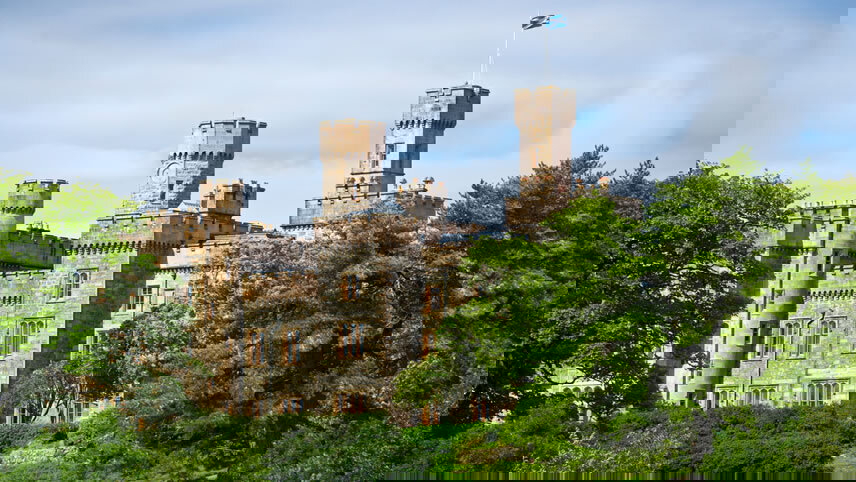
The Isle of Mull, situated off Scotland's west coast, is renowned for its picturesque landscapes and charming villages. Nature lovers will be captivated by the island's diverse wildlife, including eagles, otters, and whales. Explore the island’s rich history by viewing Duart Castle, the ancestral home of Clan Maclean, perched dramatically on a cliff overlooking the Sound of Mull.
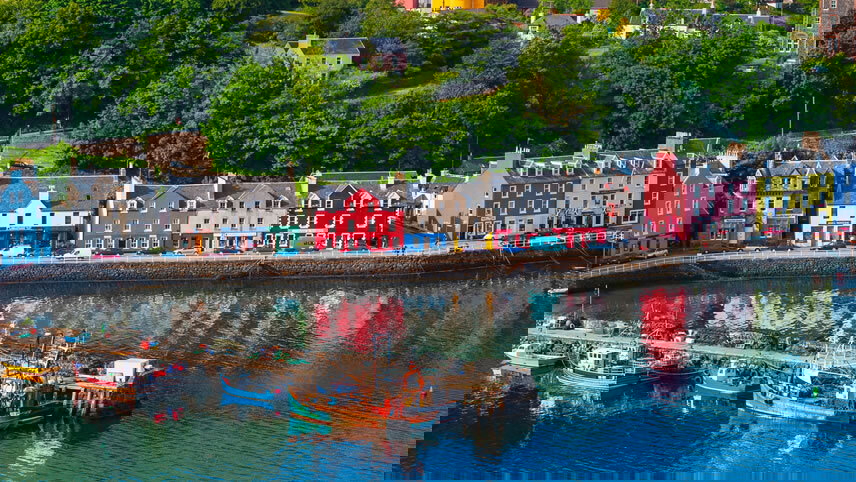
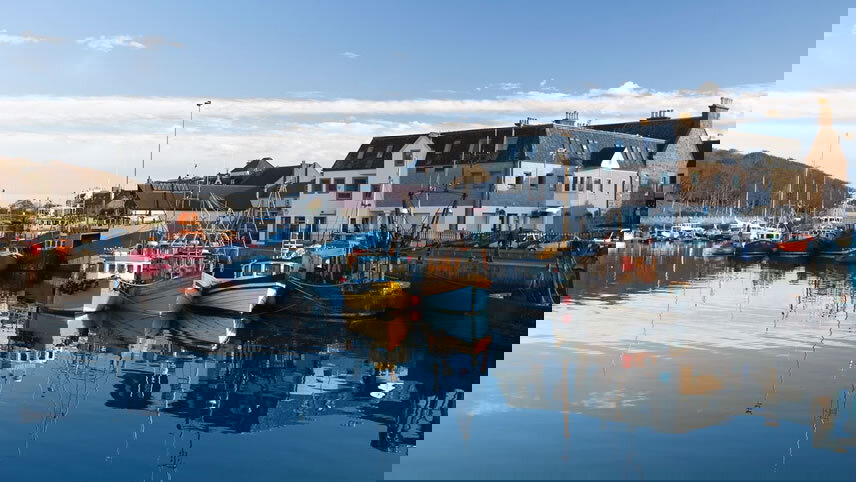
Located at the northernmost tip of the lovely Isle of Mull, Tobermory has to be one of the most beautiful natural seaports on Scotland’s West Coast. Founded in 1788, this ancient fishing village has been converted to a leisure port highly appreciated today for its surroundings and the quiet charm it exudes.
Visitors will be won over by the row of many-storied houses on the hillside, illuminating the harbour with their vibrant colours. The town offers a museum dedicated to the local history, an art gallery, a 9-hole golf course and a whiskey distillery.
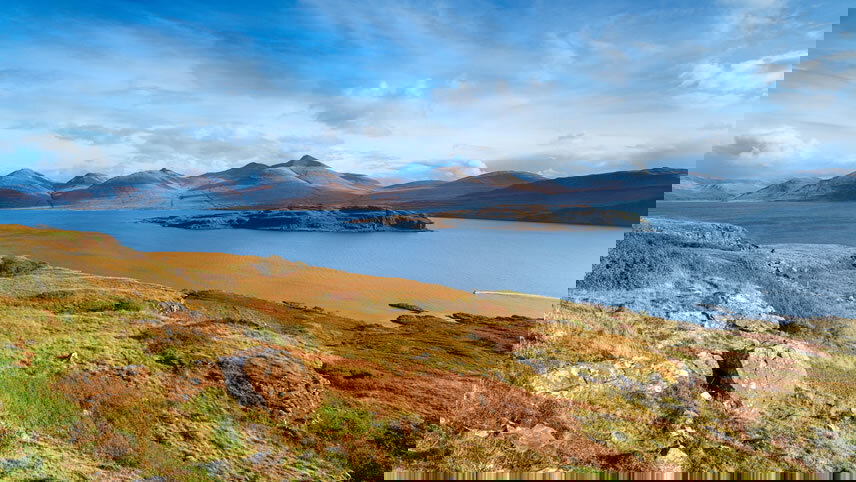
The Shiant Islands of Scotland, located in the Minch between the Isle of Lewis and the mainland, are a secluded cluster of rugged isles famed for their dramatic cliffs and abundant birdlife. This uninhabited archipelago is an important breeding ground for seabirds, including puffins, razorbills, and guillemots, making it a paradise for birdwatchers and nature enthusiasts.
Visitors are greeted by the raw beauty of steep rock faces and grassy slopes, with the islands' geology providing a fascinating insight into volcanic activity from millions of years ago. Accessible only by boat, the Shiant Islands offer a serene escape into the wild, untouched nature of Scotland's coastal wonders.
Loch Ewe, situated on the northwest coast of Scotland, is renowned for its scenic beauty and historical significance. This sea loch, surrounded by rugged hills and charming villages, offers breathtaking views and tranquil waters. The area played a crucial role during World War II as a gathering point for Arctic convoys, adding a rich historical dimension to its natural allure.
Visitors can explore Inverewe Garden, a stunning botanical garden featuring exotic plants from around the world, thanks to the region's mild climate. The loch is also a haven for wildlife enthusiasts, with opportunities to spot seals, otters, and a variety of bird species. Loch Ewe's blend of history, nature, and serene landscapes makes it a captivating destination in the Scottish Highlands.
St Kilda, Scotland, is an archipelago renowned for its dramatic landscapes and as a testament to human resilience in one of the UK's most isolated locations. The islands, now uninhabited and protected as a World Heritage Site, once supported a small but hardy community, which managed to thrive despite the harsh living conditions. The remnants of this community, including stone houses and unique storage structures called cleitean, are open for exploration.
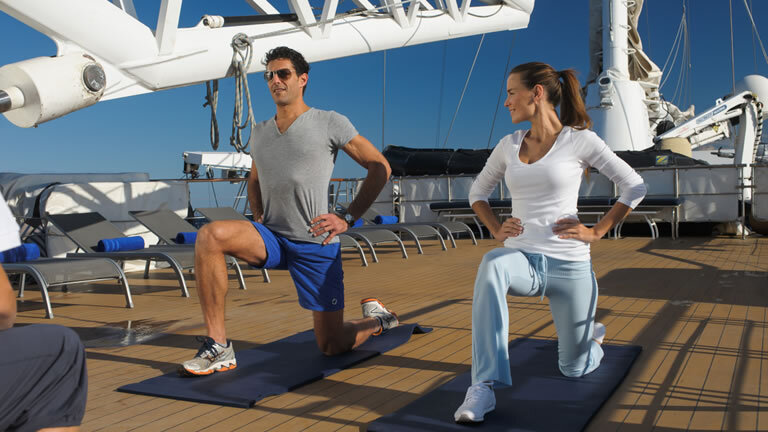
During your journey at sea, make the most of the many services and activities on board. Treat yourself to a moment of relaxation in the spa or stay in shape in the fitness centre. Depending on the season, let yourself be tempted by the swimming pool or a spot of sunbathing.
This journey without a port of call will also be an opportunity to enjoy the conferences or shows proposed on board, depending on the activities offered, or to do some shopping in the boutique or to meet the Ponant photographers in their dedicated space. As for lovers of the open sea, they will be able to visit the ship’s upper deck to admire the spectacle of the waves and perhaps be lucky enough to observe marine species. A truly enchanted interlude, combining comfort, rest and entertainment.
Foula, part of the remote Shetland Islands, stands out for its dramatic cliffs and rugged, untouched landscapes. This small island, one of the UK’s most isolated inhabited locations, is a haven for birdwatchers, housing a significant population of seabirds, including puffins and great skuas. The island's striking geology and steep bird cliffs are captivating, offering panoramic views across the North Atlantic.
Despite its remote location, Foula retains a strong sense of community, with traditions that reach back to Norse times. Explore the island’s five peaks and enjoy the solitude of its vast, open spaces. For those interested in more than just nature, the local history and folklore provide a deep dive into the island’s cultural heritage.
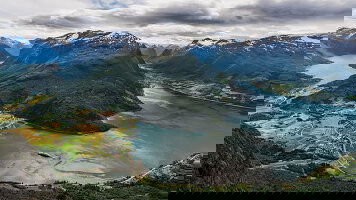
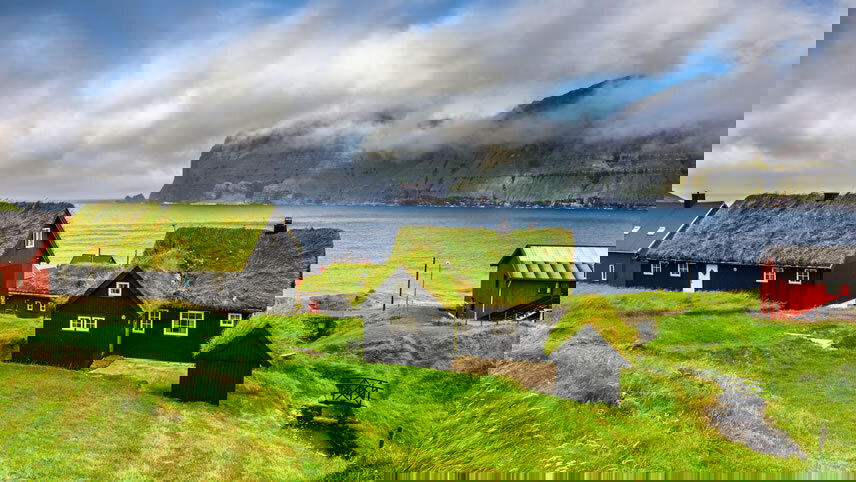
Streymoy Island is the largest and most populated of the Faroe Islands, with 22,500 inhabitants. Lying between Scotland and Iceland, the 18-island Danish archipelago boasts natural wonders that will fascinate lovers of the great outdoors. Here, the hilly green landscapes stand in contrast with the huge basalt cliffs and the invigorating air shifts with the moods of the ocean. To the north, the small village of Saksun, with its traditional grass-covered rooftops, has 14 inhabitants. In the curve of a magnificent natural amphitheatre, it overlooks a fjord with a lagoon: an idyllic setting in a secluded and peaceful environment. To the west, in Vestmanna, myriad birds nest in the crags along the eroded and vertiginous cliff faces.
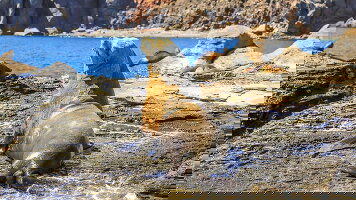
Suduroy Island, literally “South Island”, has one of the smallest populations in the Faroe Islands. It has sheer cliffs along its western face. The island is an important breeding ground for seabirds, including northern fulmars, black-legged kittiwakes, Atlantic puffins, and guillemots. Your expedition team will guide you as you discover the island, its authentic villages with black, tarred-wood churches typical of the Faroe Islands, and its hiking trails lined with peat fields and stone sheepfolds. Sheep are indeed omnipresent throughout the Faroe Islands — in fact, there are more sheep than humans —, and they add to the charm of these wild landscapes.
Streymoy Island is the largest and most populated of the Faroe Islands, with 22,500 inhabitants. Lying between Scotland and Iceland, the 18-island Danish archipelago boasts natural wonders that will fascinate lovers of the great outdoors. Here, the hilly green landscapes stand in contrast with the huge basalt cliffs and the invigorating air shifts with the moods of the ocean. To the north, the small village of Saksun, with its traditional grass-covered rooftops, has 14 inhabitants. In the curve of a magnificent natural amphitheatre, it overlooks a fjord with a lagoon: an idyllic setting in a secluded and peaceful environment. To the west, in Vestmanna, myriad birds nest in the crags along the eroded and vertiginous cliff faces.
Colourful row houses and red-hulled fishing vessels line the shores of this picturesque port set on the edge of the Outer Hebrides. The gateway to Lewis and Harris Island, Stornoway is a short journey to a natural wonderland of mountains, craggy rocks, moorlands, meadows, and rugged coastlines. Ships will anchor offshore and tender guests to shore.
Top Things to Do in Stornoway:
- explore Lews Castle
- visit the Callanish Stones
- tour the Gearrannan Blackhouse Village
- cruise the Uig coastline in a RIB (boat)
Embrace the rugged beauty of the Scottish Highlands and explore the Glencoe Valley, or take a scenic journey on the Jacobite Steam Train, known for its role in the Harry Potter films.
Fort William itself boasts historic sites like Old Inverlochy Castle, and the town centre offers an array of delightful shops and local eateries.
Cruise ships dock at the Fort William Cruise Terminal, located conveniently close to the town centre.
Loch Linnhe is located in the Scottish Highlands, stretching between the Isle of Mull and Fort William. Sail in the heart of picturesque landscapes and admire the formations of the magnificent mountains and valleys surrounding the loch, including the famous Ben Nevis. The pure waters of Loch Linnhe are teeming with marine life; harbour seals may be found among its faithful inhabitants.
Glasgow was Scotland's great industrial centre during the 19th century and today, the city remains the commercial and cultural capital of the Lowlands. Lying on the banks of the River Clyde, Glasgow boasts some of the finest Victorian architecture in the entire United Kingdom. Ships will dock in Greenock which is a 45 minute drive from Glasgow.
Top Things to Do in Glasgow:
- admire the famed Glasgow Cathedral
- stroll through the Glasgow Botanic Garden
- cruise Loch Lomond
- visit the Kelvingrove Art Gallery and Museum
Life On Board

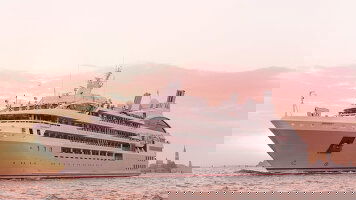
Enjoy the luxury and sophistication of mega yacht cruising when you explore the seas on Le Lyrial. Read more
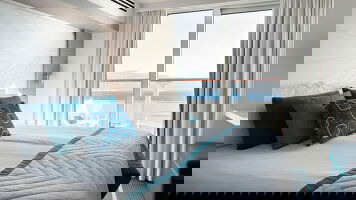
Relax in the comfort of chic decor and luxury in your ocean facing accommodation. Read more
Exquisite French gastronomy is the highlight of every meal you will savour in the restaurant and grill. Read more
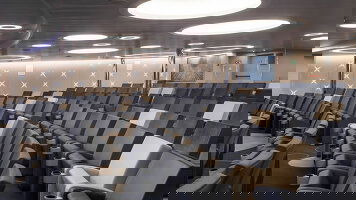
Applaud a live show in the theatre or enjoy the social life and dancing in the main lounge. Read more

It doesnt matter where you are cruising, you will be well looked after from the moment you embark. Read more

Using on the best French products, a treatment in the spa will revive and rejuvenate. Read more
Download Brochure

Ponant Luxury Voyages (2025-26)
 USD
USD Tour & cruises prices are per person. Prices shown have savings applied, are subject to availability and may be withdrawn at any time without notice. Pricing and trip details are correct at this point in time, however are subject to confirmation at the time of booking and are subject to change by Ponant. For cruise itineraries, cabin images are sourced from the cruise-line and should be treated as indicative only. Cabin inclusions, upholsteries and room layout may differ to the image(s) shown depending on the ship selected and your sailing dates.