Beyond the Antarctic Circle – In the Wake of Jean-Baptiste Charcot



Itinerary
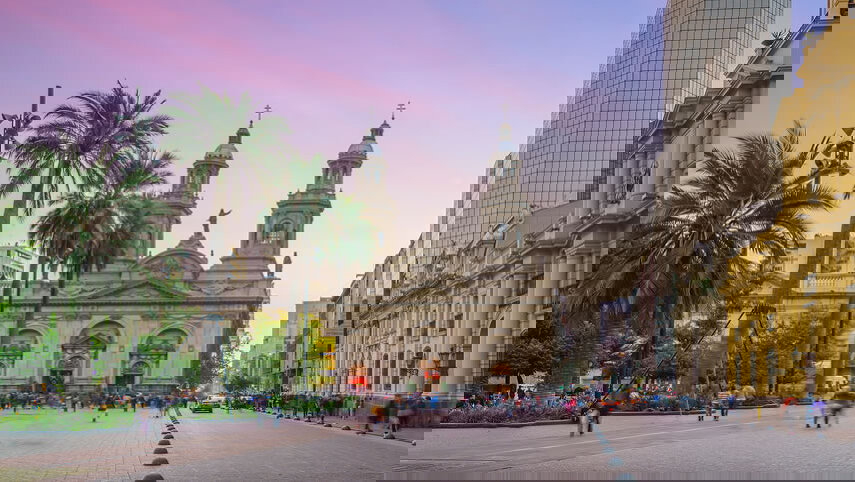
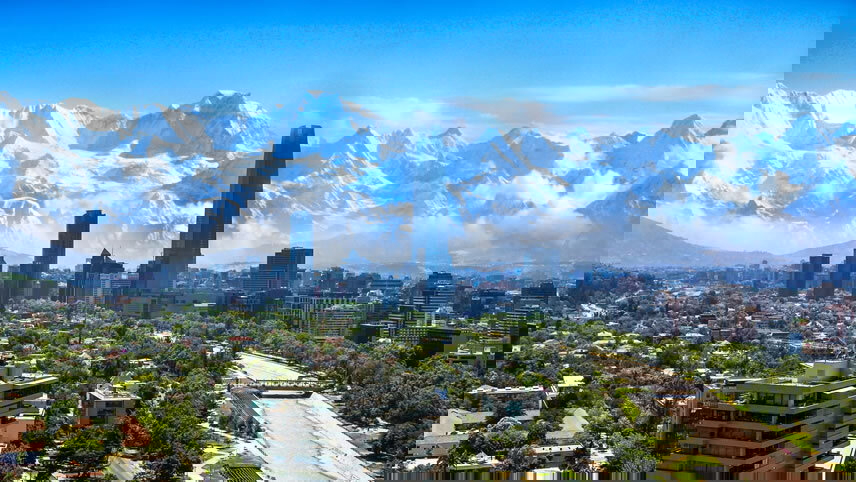
Santiago, Chile’s capital, is a vibrant city set against the stunning backdrop of the Andes. The historic Plaza de Armas, founded in 1541, is the cultural heart of Santiago, where you can admire the impressive Metropolitan Cathedral and the Central Post Office's architecture. Nearby, the National Museum of Fine Arts showcases Chilean and South American art.
Bellavista, known for its colorful street art and lively atmosphere, is home to La Chascona, the house of poet Pablo Neruda. For a taste of local flavors, the bustling Mercado Central offers a variety of fresh seafood and traditional dishes, making it a culinary highlight of the city.
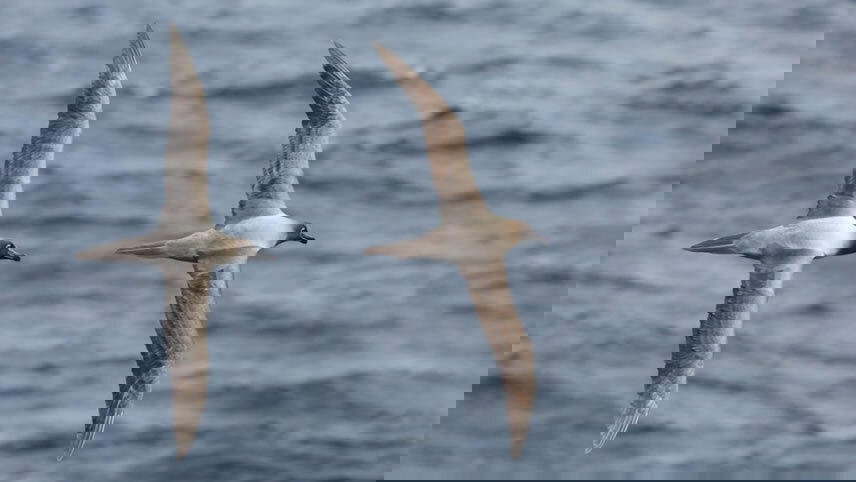
Use your days spent in the Drake Passage to familiarise yourself with your ship and deepen your knowledge of the Antarctic. The Expedition Leader will first present the IAATO rules of conduct that must be observed during landings in the region and will explain everything you need to know about the zodiac outings. Lectures about the history and wildlife of the Antarctic will be an opportunity for you to learn more about this magical region, where every cruise is a unique experience. You will experience exceptional sailing moments on board and join the naturalist-guides on your ship’s exterior decks to look out for albatrosses, cape petrels, and other seabirds flying over the Drake Passage.
Weather permitting, we'll cross the mythic line of the Antarctic Polar Circle, located along 66°33’ south of the Equator. This iconic area demarcates the point from which it is possible to view the midnight sun during the December solstice. Within this circle, the sun remains above the horizon for 24 consecutive hours at least once a year. Crossing this line, an experience known to few people, is sure to be an unforgettable highlight of your cruise through the polar regions.
When he discovered this island surrounded by sea ice in 1910 from aboard the Pourquoi Pas as he mapped Alexander Island, Jean-Baptiste Charcot had not be able to get less than 40 miles away from it. Situated in a zone that experiences frequent low-pressure systems and regular cloud cover, the island remains in many ways an enigma. It is entirely covered in ice and sheer cliffs, with the exception of the rocky outcrops extending over a dozen kilometres in the far north-west. The ice in the narrowest part of Wilkins Sound has been cracking in recent times, thus officially detaching this island from its neighbour, Alexander Island, lying 50 km away. Very few people have landed on this largely untouched island, whose waters attract numerous seabirds, such as petrels, Antarctic terns and skuas.
Stretching from the west of the Antarctic Peninsula to the Amundsen Sea, the Bellingshausen Sea was named after the Russian admiral and explorer who has been attributed the first confirmed sighting of mainland Antarctica, in 1820. Among others, its waters surround two of the Antarctic’s largest islands: Alexander Island and Thurston Island.
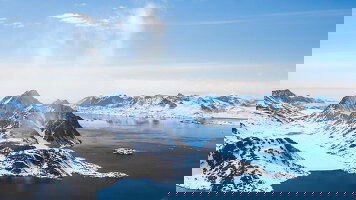
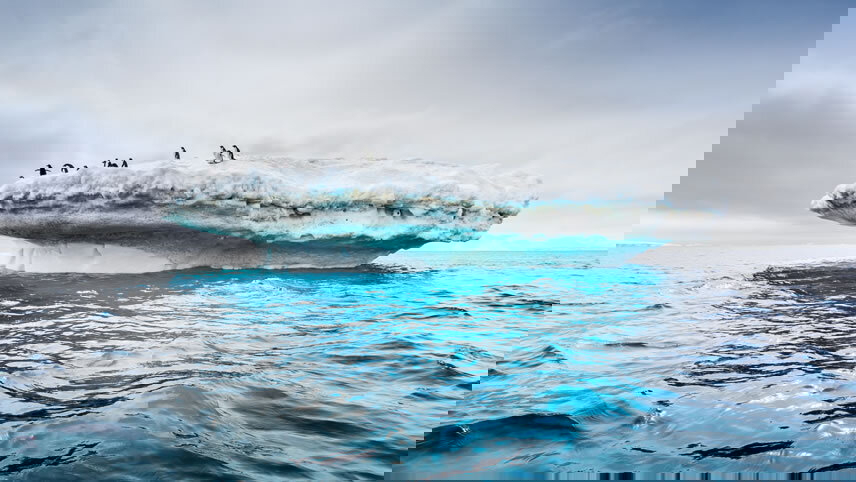
You will explore this sea amid ice floe, blocks of sea ice and majestic icebergs. The coastal areas along the Bellingshausen Sea are also renowned as the home of colonies of emperor penguins. Depending on the month of the southern summer, you will perhaps be lucky enough to observe isolated adults, adolescents seeking emancipation or recently independent new adults.
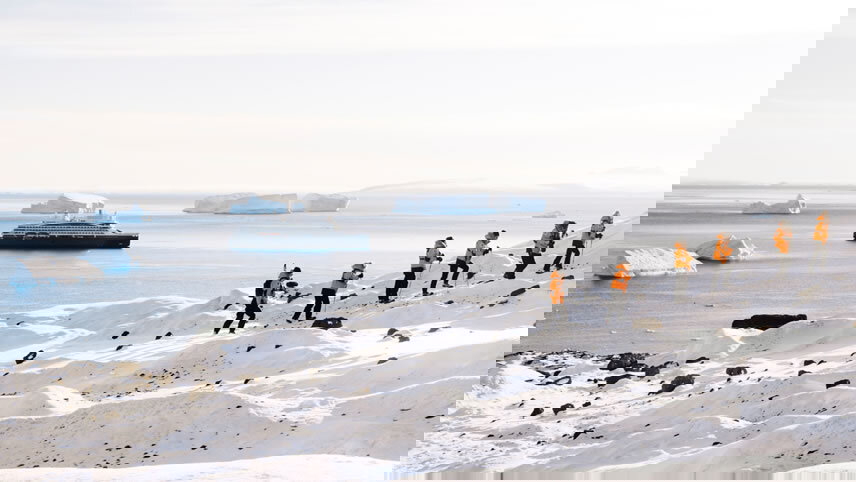
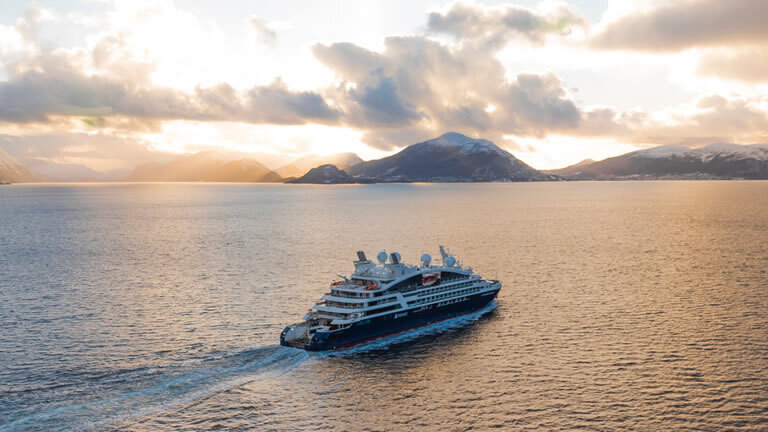
Spend exceptional moments sailing aboard Le Commandant Charcot, the world’s first luxury polar exploration vessel and the first PC2-class polar cruise ship capable of sailing into the very heart of the ice, on seas and oceans which the frozen conditions render inaccessible to ordinary ships. Le Commandant Charcot is fitted with oceanographic and scientific equipment selected by a committee of experts.
Take advantage of the on-board lectures and opportunities for discussion with these specialists to learn more about the poles. Participate in furthering scientific research with PONANT and let us discover together what these fascinating destinations have yet to reveal to us.
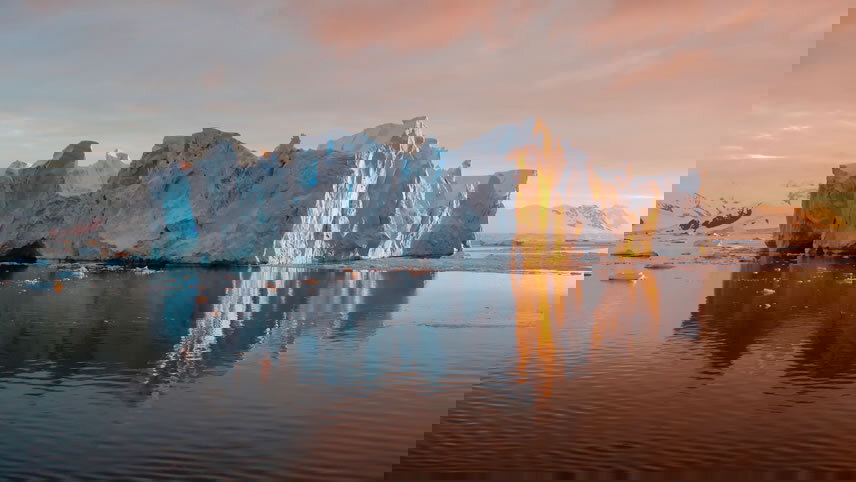
The icebergs are each more majestic than the next and scattered around the deep and intense blue waters of Marguerite Bay, one of the most beautiful regions in the Antarctic. It is delimited in the north by the mountainous Adelaide Island, in the south by George VI Sound and Alexander Island, and in the east by the Fallières Coast. Charcot named it after his wife during his second expedition to the Antarctic between 1908 and 1910. In 1909, in the southern summer when the skies are at their clearest, he led an important scientific mission to map and study this region. The bay is home to a number of cetaceans and you may get the chance to observe leopard seals or Adelie penguins.
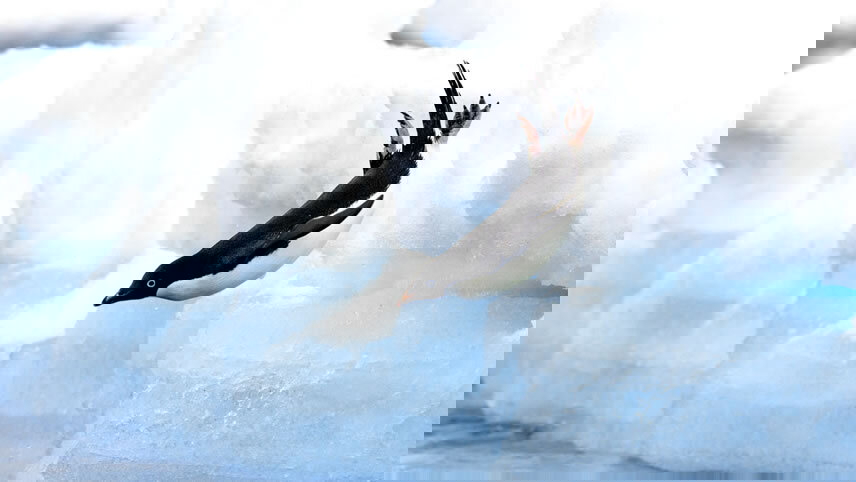
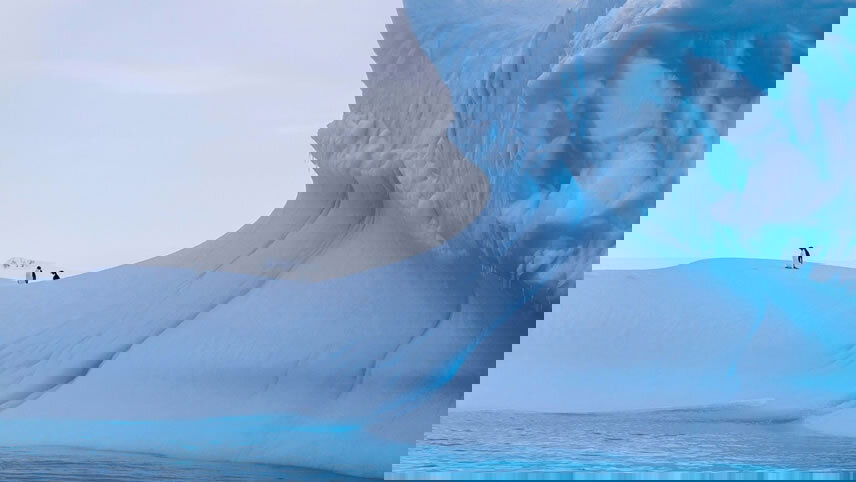
Throughout your time in the north of the Antarctic Peninsula, you will find yourself in the heart of a spectacular decor in subtle shades of blue and white, surrounded by exceptional wildlife. You will sail through the Antarctic Sound, named after Swedish explorer Otto Nordenskjöld’s ship, which was trapped by the ice during an important scientific expedition in 1902. The gateway to the Weddell Sea, this sound is filled with gigantic tabular icebergs and plates of sea ice drifting northward from the coastal areas of this vast sea. It is home to Adelie penguins and a great many leopard seals.
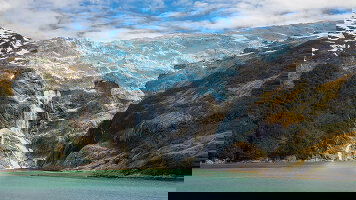
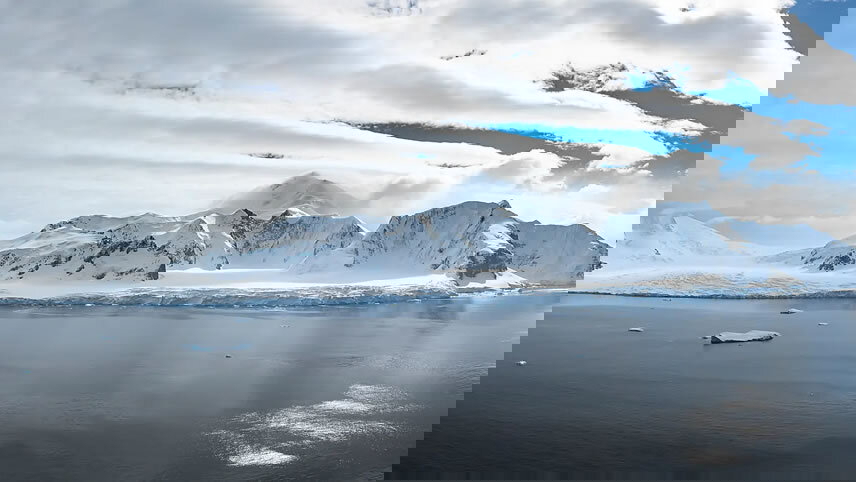
The trip to the Peninsula by ship is the shortest distance between Antarctica and South America, (usually Ushuaia in Argentina). The Antarctic Peninsula’s coastline unfolds in a panorama of towering icebergs, glistening glaciers, and serrated mountain peaks, offering one of the most visually arresting cruising experiences on Earth.
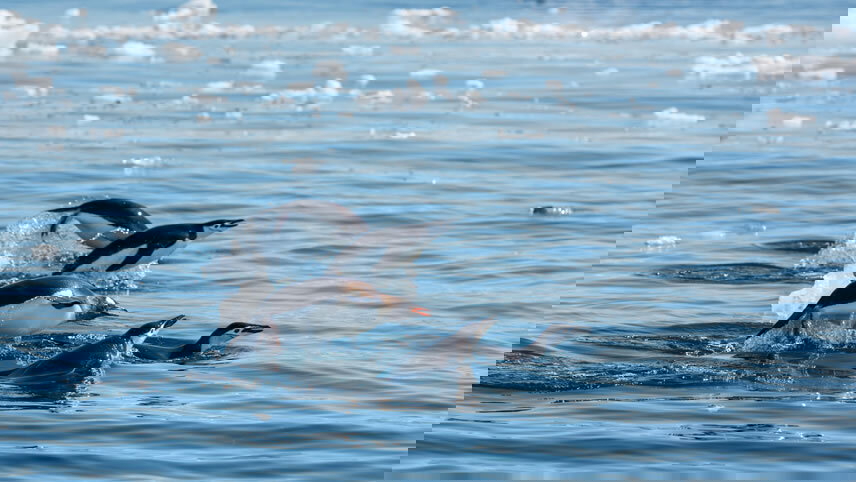
Wildlife is abundant - look for breaching humpback whales, leopard seals lounging on floes, and penguins in dense colonies along icy shores. This narrow finger of land reaching toward South America provides unparalleled access to the raw, untamed beauty of the White Continent.
The body of water between Cape Horn and the South Shetland Islands in Antarctica is named the Drake Passage. This is where the Atlantic, Pacific, and Southern seas converge and they’re some of the choppiest waters in the world.
It takes the average cruise ship about 48 hours to sail from one end of the Drake Passage to the other. Some days the water will be surprisingly calm, others will present your cruise with sizable swells.
If you’re prone to seasickness, it's a good idea to see your doctor before you sail, and even if you're the type who laughs at roller-coasters, there's a good chance the Drake is going to test that cast-iron stomach of yours.
Life On Board
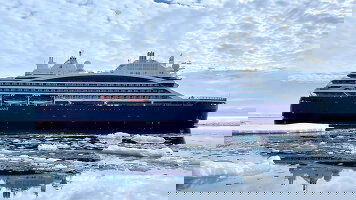
Le Commandant Charcot offers guests small ship luxury expeditions with unique hybrid powered clean technology. Read more
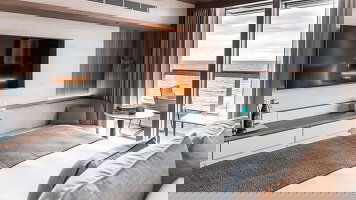
Choose your home away from home from 135 elegantly appointed outward facing staterooms and suites. Read more
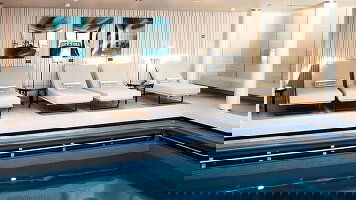
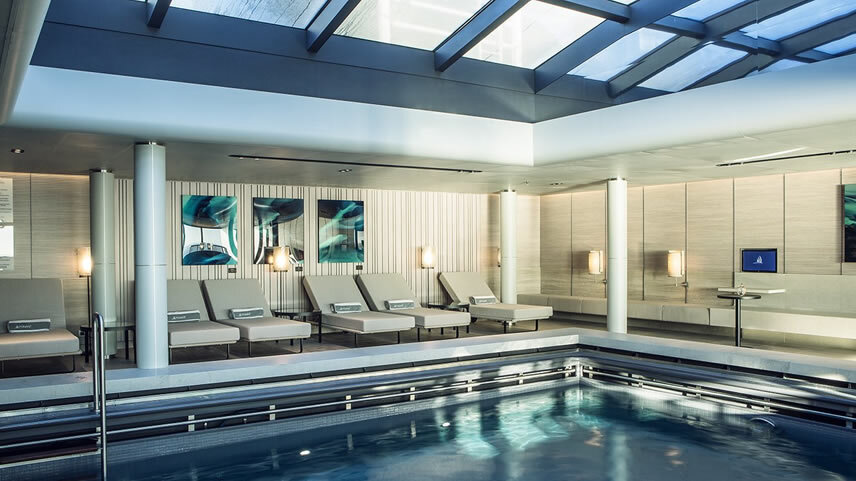
From the indoor heated pool to the Snow Room and Fitness Centre, relax and rejuvenate as you cruise. Read more
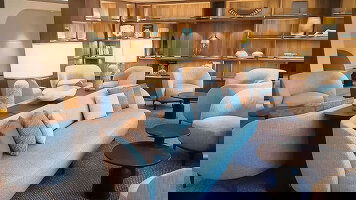
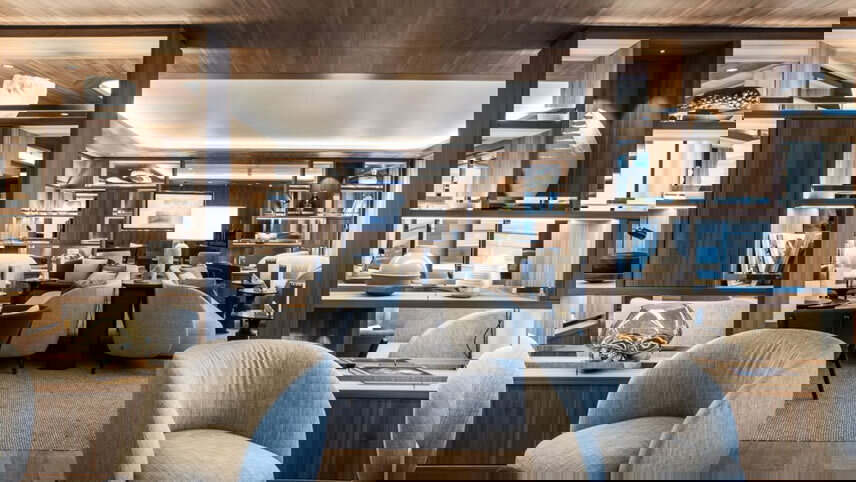
Combining space for events and cosy corners you will enjoy the social ambience in the luxury lounge. Read more
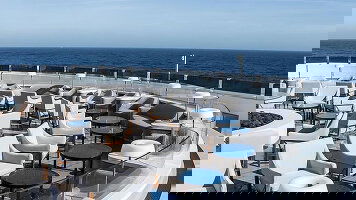
Built for the environment, you will leave no trace when you break the ice on a polar expedition. Read more

The French crew will welcome you aboard and ensure your comfort and wellbeing is paramount throughout your voyage. Read more

Download Brochure

Ponant Exceptional Voyages of Discovery (2026-27)
Alongside iconic expeditions in Antarctica, the Caribbean, Asia and the Atlantic archipelagos, you’ll find pioneering voyages aboard Le Commandant Charcot as it returns to the Far North, including the icy St Lawrence. Enriched by partnerships with Relais & Châteaux and the Club des Chefs des Chefs, these sailings blend exploration with artistry, offering transformative moments both on shore and on board.
Dates & Pricing
Cabin Layout Options:
Select Cabin Preference:
Tour & cruises prices are per person. Prices shown have savings applied, are subject to availability and may be withdrawn at any time without notice. Pricing and trip details are correct at this point in time, however are subject to confirmation at the time of booking and are subject to change by Ponant. For cruise itineraries, cabin images are sourced from the cruise-line and should be treated as indicative only. Cabin inclusions, upholsteries and room layout may differ to the image(s) shown depending on the ship selected and your sailing dates.